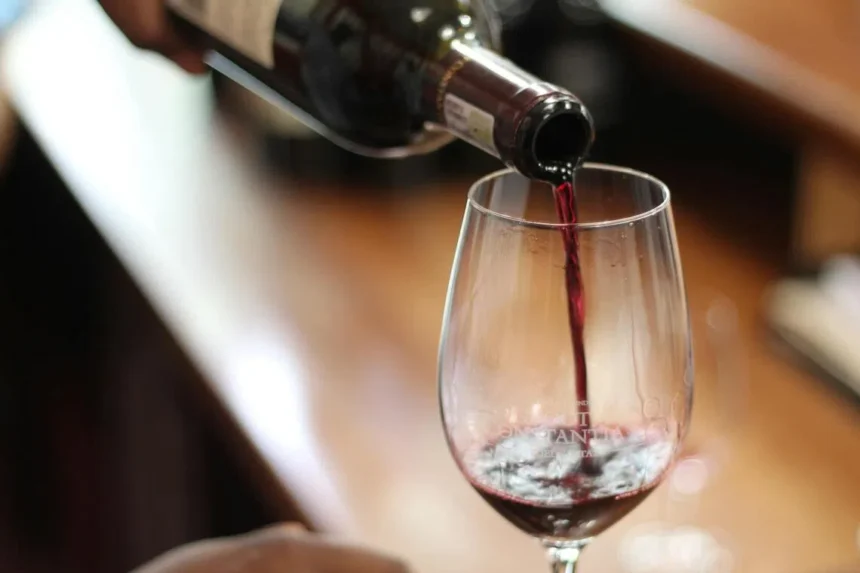
Kristen Goceljak hasn’t just been tasting wine lately. She’s been swallowing price hikes. The wine director for New York’s Kent Hospitality Group watched a champagne she regularly orders jump five dollars per bottle in February. A cremant brand climbed by three. Some suppliers warned her to expect increases approaching twenty percent. Now she’s doing something that would have seemed unthinkable a year ago—cutting once-reliable French labels from her lists. The tariffs imposed under the Trump administration have made keeping them simply impossible.
This isn’t an isolated decision made in a single corporate office. Across the United States, restaurants and retailers are rewriting their wine offerings in response to trade policies that have fundamentally altered the economics of imported alcohol. What began as a fifteen percent tariff rate for many European goods under a US-EU trade deal last August transformed into something more complex and costly. Trump’s February tariff suite was overturned by the Supreme Court, only to be immediately replaced by new levies ensuring most European imports face at least a ten percent surcharge. For businesses operating on razor-thin margins, that difference destroys profitability.
European alcohol exports to the United States totaled roughly nine billion euros in 2024, according to Eurostat data. That figure represents thousands of producers, distributors, restaurants, and retail shops whose business models depended on predictable pricing. But predictability vanished when the April 2025 tariff regime took effect. Initially, many producers absorbed the costs themselves or shipped stock in bulk before the levies kicked in. They gambled that maintaining shelf prices during the critical October-to-December holiday season would preserve market share. That gamble is now failing.
Lance Emerson, senior vice president of Commercial Finance at Republic National Distributing Company, one of America’s largest wholesalers, confirms the pressure to pass costs to consumers is mounting. Wine producers face this squeeze more acutely than spirits makers, who enjoy higher margins and greater pricing flexibility. Retail shelf prices on some imported wine brands already climbed between five and twelve percent in 2025. Emerson expects more pronounced increases from additional suppliers throughout 2026. The math is brutal and unavoidable.
Zach Poelma, senior vice president of Commercial Intelligence at Southern Glazer’s Wine and Spirits, another major wholesaler, reports that restaurants are shifting cocktail and wine lists toward lower-cost options. Retailers are cutting back on product range, balancing imported selections with domestic alternatives. Some venues are swapping imported wines entirely for American bottles. Between October and January, imported wine sales volumes dropped roughly eight percent. Domestic wines fell only three percent during the same period. Similar trends continued through February, suggesting this isn’t a temporary adjustment but a structural shift in American drinking habits driven by policy rather than preference.
The human consequences play out in unexpected ways. At Wife and the Somm, a Los Angeles restaurant, owners Chris and Christy Lucchese have removed some Old World European wines from their by-the-glass menu in favor of domestic brands. Their European artisanal cheeses and cured meats also became prohibitively expensive. They converted their entire cheese and charcuterie program to domestic products. In a bitter irony, they sometimes pay more for American versions than they previously paid for European imports. The tariffs haven’t made things cheaper—they’ve simply eliminated choice.
Dan Kleinman, chief marketing officer at Deutsch Family Wine & Spirits, which owns California brand Josh Cellars, understands the sweet spot in American restaurant pricing. Consumers want a ten-to-twelve-dollar glass of wine. Push above that threshold and you disappear from menus. Restaurants can’t afford to alienate price-conscious diners. Josh Cellars Cabernet sells at around ten dollars per glass. The brand saw sales rise 8.3 percent in the thirteen weeks ending mid-March, while the overall wine category declined 3.6 percent. Kleinman attributes at least part of that success to tariffs hammering imported competitors.
Deutsch Family Wines kept prices steady on Josh Cellars and its imported brands. That decision reflects both long-term strategic thinking and immediate competitive necessity. But not every producer can absorb these costs indefinitely. Francis Creighton, CEO of the Wine & Spirits Wholesalers of America trade body, says his members are helping customers refresh wine lists and cocktail programs, including by offering domestic alternatives. That language sounds diplomatic, but it describes market displacement on a significant scale.
Kent Hospitality Group’s Goceljak is searching for cheaper alternatives to champagne and cremant—categories that by law can only come from specific French regions. She’s cutting longstanding labels that once defined her establishments’ identity. These aren’t casual business decisions. Fine dining restaurants build reputations on wine programs that demonstrate knowledge, taste, and access. Replacing established French bottles with unfamiliar substitutes risks alienating regulars who expect consistency. But when a wholesaler increases prices by twenty percent, those reputational concerns become unaffordable luxuries.
The tariff policies don’t exist in isolation. American alcohol sales already faced headwinds from affordability issues, competition from cannabis beverages, and shifting drinking habits, particularly among younger consumers. Adding tariffs to an already-struggling market creates compounding pressure. Producers who might have weathered one challenge find themselves battling multiple crises simultaneously. The timing couldn’t be worse for European exporters who spent decades building American market presence.
What emerges from conversations with wholesalers, restaurateurs, and retailers is a picture of an industry in reluctant transformation. Nobody interviewed by Reuters celebrated these changes. They described adaptation born of necessity, not opportunity. Goceljak didn’t want to cut her champagne selections. The Luccheses didn’t want to abandon their European cheese and charcuterie program. Emerson and Poelma aren’t predicting exciting new market dynamics—they’re documenting contraction and substitution. The language throughout remains careful, professional, and notably devoid of optimism.
American wine drinkers ordering at restaurants this year may not immediately notice the difference. The glass will look the same. The price might remain familiar. But the bottle behind the bar has changed, and with it, decades of transatlantic trade relationships built on mutual benefit. Tariffs don’t just alter prices—they reshape entire markets, one menu at a time.