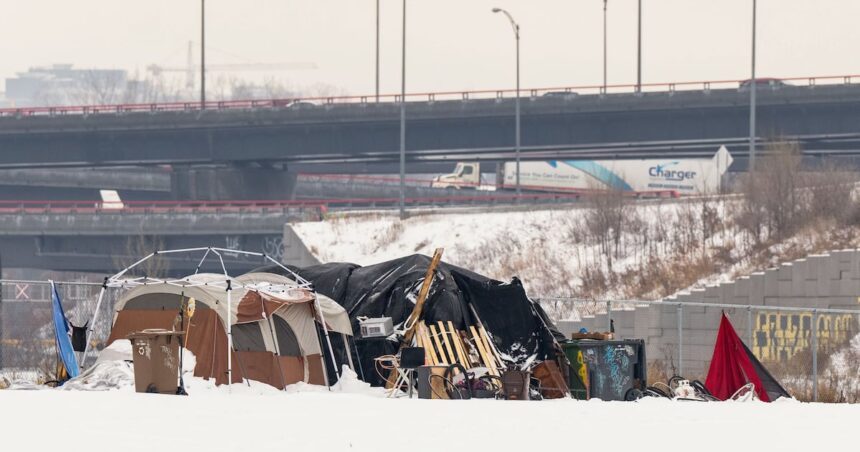
Quebec’s chief coroner ordered a public inquiry this week into deaths among Montreal’s homeless population. The decision follows growing public pressure after several people died on city streets and in shelters over recent months.
Chief Coroner Reno Bernier announced the probe on Wednesday. Coroner Stéphanie Gamache will lead the examination into five deaths that occurred between September 2025 and March 2026. The victims ranged in age from 30 to 71 years old.
Jennifer De Nobile died at age 30 last September. Marie Soleil Nantais, 46, passed away in October. Three deaths happened within two days this March: Valmont Brousseau at 71, Alain Paris at 55, and Serge Martin at 57.
The inquiry may expand to include other similar deaths if investigators find patterns worth examining. Bernier’s office said the goal is identifying what led to these deaths and recommending concrete steps to protect vulnerable residents.
Montreal Mayor Soraya Martinez Ferrada became visibly emotional last week while discussing two homeless men found dead in the city. Her reaction captured something many Montrealers feel but struggle to articulate. When people die on our streets, it signals a failure we can’t ignore.
“In a context where deaths among people experiencing homelessness are on the rise, a thorough reflection is needed to address the human and social issues at play,” Bernier said in his statement. That rising death toll is what makes this inquiry necessary now.
The coroner emphasized that every life matters. His office wants full transparency about what happened and why. That includes examining how different agencies coordinate their responses and whether current protections actually reach the most vulnerable.
Prosecutor Émilie Fay-Carlos will assist Gamache throughout the process. Hearing dates haven’t been set yet but will appear on the coroner’s website once scheduled.
This inquiry arrives as cities across Canada grapple with homelessness crises that have worsened since the pandemic. Montreal is hardly alone. Toronto, Vancouver, and Calgary all report increasing numbers of people living rough and dying in circumstances that should shame us all.
But each city’s situation has unique features. Montreal’s bitter winters make outdoor survival especially dangerous. The city has shelter spaces, yes, but not nearly enough. And shelter alone doesn’t solve homelessness anyway.
What makes someone end up sleeping on Montreal streets in March? Usually it’s a cascade of failures, not one dramatic event. Maybe mental health services weren’t available when needed. Perhaps addiction treatment had months-long waitlists. Sometimes family ties frayed beyond repair.
Housing costs matter too. When rent takes 60 or 70 percent of income, one bad month can push someone out. Quebec’s social safety net is stronger than most provinces offer. But gaps still exist, and people fall through them.
The inquiry will likely examine whether existing services actually connect with people who need them most. Having programs on paper means nothing if someone in crisis can’t access them. Bureaucratic barriers can be deadly when you’re sleeping outside.
Coordination between agencies often breaks down. Health services, housing programs, police, and community organizations all touch homeless populations. But they don’t always share information or align their efforts. Someone might get released from hospital with nowhere to go.
Montreal opened several emergency warming centres during cold snaps this winter. City officials increased shelter capacity and extended outreach patrols. Yet people still died. That suggests systemic problems no quick fix can solve.
Mayor Martinez Ferrada’s emotional response resonated because it felt genuine. Politicians often offer scripted sympathy after tragedies. Her visible distress suggested she understands the human cost of policy failures.
But emotions aren’t enough. This inquiry needs to produce recommendations that actually get implemented. Too often, investigations generate reports that gather dust while people keep dying.
What concrete changes might help? More shelter beds are obvious but insufficient. Permanent supportive housing works better than emergency shelters. That means apartments with built-in support services, not just a roof.
Mental health and addiction services need serious investment. Not token increases—the kind of funding that actually matches the scale of need. And those services must be accessible without bureaucratic hoops.
Income support matters too. Social assistance rates in Quebec haven’t kept pace with living costs. Someone receiving welfare often can’t afford both rent and food. That calculation pushes people toward homelessness.
The provincial government controls many levers that could address these issues. Quebec sets welfare rates, funds health services, and supports housing programs. Municipal governments like Montreal’s handle shelters and emergency responses but can’t solve root causes alone.
This inquiry happens in an election year federally and with provincial politics heating up. Housing and homelessness have become central campaign issues. Voters increasingly demand action, not just sympathy.
Political pressure creates opportunities for change. But it also risks shallow solutions designed for headlines rather than results. The inquiry must push past political theatre toward actual policy reform.
Coroner Gamache faces a challenging task. She needs to establish facts about five specific deaths while identifying broader systemic failures. That requires examining individual circumstances without losing sight of larger patterns.
Families of those who died deserve answers. But so do the thousands of Montrealers currently experiencing homelessness. They need this inquiry to spark changes that might save their lives.
The coming months will reveal whether Quebec’s government treats these recommendations seriously. Words of concern are cheap. Budget allocations and policy changes demonstrate real commitment.
Montreal’s homeless deaths reflect failures we can’t keep accepting as inevitable. Cold weather didn’t kill these five people. Policy choices did. Different choices could prevent future deaths.
That’s what makes this inquiry important. It forces uncomfortable questions about priorities and resources. It demands we examine whether our social systems actually protect the vulnerable or just claim to.
The answers matter because more lives hang in the balance.