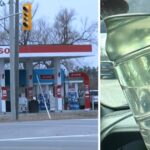
A routine fill-up turned into a headache for drivers near Wasaga Beach after water seeped into fuel tanks at a local Esso station. Both storage tanks are now offline, and regulators are demanding answers.
The station sits at Highway 92 and Crossland Road, just outside Elmvale. Over the past week, multiple drivers reported the same problem. They filled their tanks and drove away. Then their vehicles stalled, sputtered, or refused to start altogether.
Lindsay Fitzgerald lives in Tiny Township. She and her husband stopped at the Esso pump like they’d done countless times before. The next morning, their car wouldn’t turn over. At first, they thought it was a battery issue. Then Fitzgerald saw a post on social media from another driver with the exact same complaint. That’s when the pieces clicked.
Jeremy Nadeau had a similar experience with his work truck. He filled up and made it about ten kilometres down the road before the engine gave out. The truck had to be towed. Later, a mechanic confirmed what Nadeau suspected: water had gotten into the fuel system.
The Technical Standards and Safety Authority got involved Monday afternoon. Inspectors visited the site after receiving three formal complaints about contaminated fuel. What they found wasn’t good. Water had leaked into both underground storage tanks. Officials haven’t said exactly how it happened, but the result was clear. Drivers who trusted that pump were now dealing with expensive repairs and dead vehicles.
TSSA ordered the second tank shut down during that visit. The first had already been taken offline. Both will stay out of service until the station fixes its leak detection and monitoring system. The agency also said the site must meet all required safety standards before pumps can reopen.
Local mechanics noticed the pattern before regulators did. Jeff Whiteside owns Jeff Auto Repair in the area. He told reporters that several customers came through his shop over the past week with water in their fuel tanks. All of them had filled up at the same Esso location. The spike in similar cases was hard to ignore.
Water and gasoline don’t mix, and the damage can be serious. When water enters a fuel system, it can cause engines to misfire or stall. In some cases, it leads to corrosion inside the tank or fuel lines. Repairs aren’t cheap, and they’re not always covered by insurance. For drivers like Fitzgerald and Nadeau, the inconvenience came with a financial sting.
CTV News reached out to both the station owner and Esso’s corporate office. Neither responded to requests for comment. That silence left drivers with more questions than answers. How long had the contamination been happening? How many vehicles were affected? And who’s going to cover the cost of repairs?
TSSA’s role is to enforce safety standards for fuel storage and handling across Ontario. The agency has the authority to shut down operations if equipment fails or poses a risk. In this case, the leak detection system wasn’t doing its job. That’s a red flag for any fuel retailer, especially one serving a busy highway corridor.
For now, drivers in the area are left to find another place to fill up. The Esso station remains closed pending repairs and reinspection. TSSA said it will return once the operator addresses the issues flagged during Monday’s visit. There’s no timeline yet for when pumps might reopen.
This incident highlights a gap that often goes unnoticed until something goes wrong. Fuel storage systems age. Monitoring equipment can fail. And when that happens, it’s drivers who pay the price. Regulations exist to prevent these problems, but enforcement depends on vigilance from both operators and oversight agencies.
Fitzgerald said she’s relieved they caught the issue before more damage was done. But the experience shook her confidence. She’s not sure she’ll return to that station, even after it reopens. Trust, once broken, isn’t easy to rebuild.
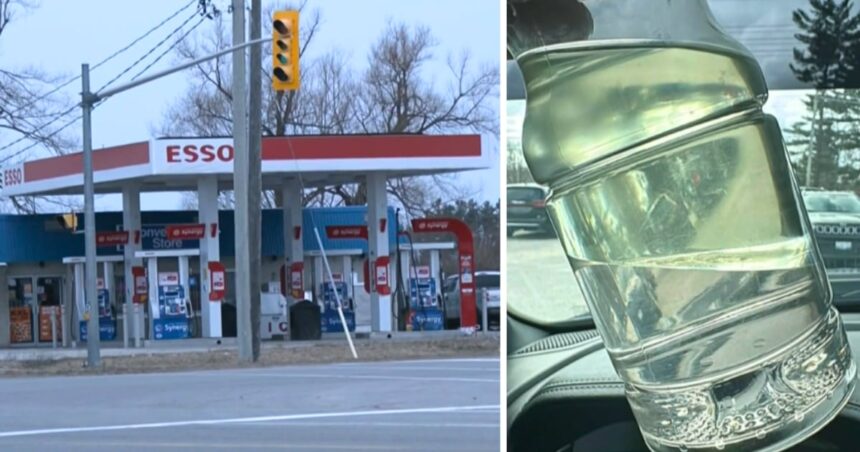
Nadeau echoed that sentiment. He posted a photo online showing a glass jar with gasoline and water clearly separated. The image went viral locally, prompting others to check their own vehicles. That kind of grassroots awareness probably saved other drivers from the same fate.
The Elmvale area relies heavily on highway traffic. Stations like this one serve both locals and travelers passing through. When a key service point goes offline, it ripples through the community. Drivers detour. Mechanics get busier. And questions about accountability linger.
TSSA’s investigation will likely take weeks. Inspectors need to determine not just how water entered the tanks, but whether the station followed proper maintenance protocols. If negligence played a role, penalties could follow. At minimum, the station will need to prove its systems are safe before reopening.
For drivers affected by the contamination, the path forward is less clear. Some may pursue claims against the station or its insurer. Others will simply absorb the cost and move on. Either way, the inconvenience and expense leave a mark.
This story also serves as a reminder to check your fuel gauge and know where you’re filling up. While contamination incidents are rare, they do happen. And when they do, the fallout hits ordinary people hardest. Fitzgerald, Nadeau, and others trusted a routine transaction. What they got instead was a breakdown and a bill.
TSSA will monitor the site closely going forward. The agency’s mandate is public safety, and fuel system failures fall squarely within that scope. Once repairs are complete and standards are met, the station can apply for reinspection. Only then will pumps start flowing again.
Until that happens, drivers in the area are steering clear. The Esso sign still stands, but the pumps are silent. And for the people who filled up there last week, the damage is already done.