A jury in New Mexico just handed Meta one of its most damaging legal defeats to date. After nearly seven weeks of deliberation and testimony, the panel ruled that the social media giant knowingly endangered children while chasing engagement metrics and ad revenue. The verdict arrived Tuesday with a blunt message: prioritizing profit over the mental health and safety of minors violates state consumer protection law.
This isn’t just another slap on the wrist for Big Tech. The jury found Meta guilty of thousands of violations under New Mexico’s Unfair Practices Act, each carrying a potential penalty that could total $375 million. Prosecutors argued that Meta—which controls Instagram, Facebook, and WhatsApp—deliberately concealed what it knew about child sexual exploitation on its platforms and the deteriorating mental health of young users. The jury agreed, determining that the company engaged in “unconscionable” trade practices that exploited the inexperience and vulnerability of children.
Meta’s response was predictable. A company spokesperson issued a terse statement expressing disagreement and announcing plans to appeal. They emphasized ongoing efforts to remove bad actors and harmful content, while acknowledging that some material slips through. But the courtroom evidence painted a very different picture—one of calculated neglect dressed up as moderation policy.
The New Mexico case stands out because prosecutors didn’t rely solely on academic studies or expert testimony. State agents conducted an undercover investigation, creating fake accounts that posed as children. What they documented was chilling: a steady stream of sexual solicitations, predatory behavior, and algorithmic amplification of harmful content. Meta’s safety mechanisms, according to the evidence presented, were either ineffective or deliberately insufficient.
Attorney General Raúl Torrez filed the lawsuit in 2023, alleging that Meta failed to disclose or address the dangers of social media addiction among young people. Meta’s legal team pushed back on the very concept of addiction, preferring the sanitized term “problematic use.” During the trial, company executives acknowledged they want users to feel good about their time on the platform—a statement that rang hollow against internal documents showing Meta engineers designed features specifically to maximize engagement, particularly among teenagers.
The trial exposed a trove of internal correspondence that contradicted Meta’s public messaging. Jurors heard from company whistleblowers, platform engineers, psychiatric experts, and educators dealing with the fallout in their classrooms. Teachers testified about disruptions linked to social media, including sextortion schemes targeting students. One after another, witnesses described a system optimized for addiction, not safety.
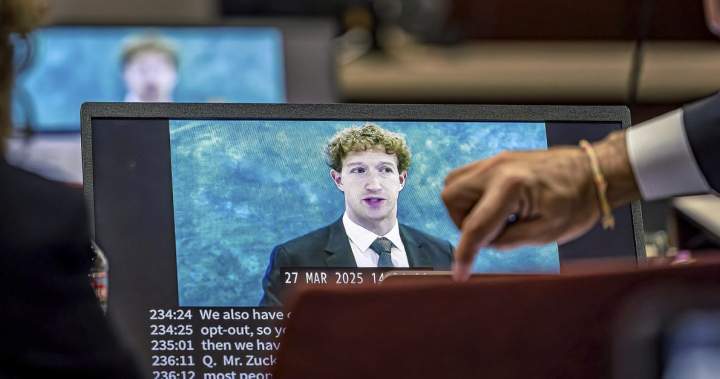
Meta’s defense attorney Kevin Huff told jurors that the company invests in safety not just because it’s ethical, but because it’s good for business. He insisted that Meta designs its platforms to connect people with friends and family, not to facilitate predatory behavior. The jury wasn’t convinced. They examined whether specific statements by CEO Mark Zuckerberg, Instagram head Adam Mosseri, and global safety chief Antigone Davis misled users about platform safety. The verdict suggests those statements didn’t hold up under scrutiny.
This case is part of a broader reckoning. More than 40 state attorneys general have filed similar lawsuits against Meta, claiming the company deliberately engineered addictive features on Instagram and Facebook that fuel a youth mental health crisis. In California, a federal jury has been deliberating for over a week on whether Meta and YouTube should be held liable for harms to children—one of three bellwether cases that could shape thousands of similar lawsuits.
The legal landscape is shifting, and fast. School districts across the country are pushing for smartphone restrictions in classrooms. Legislators are drafting bills to regulate how tech companies interact with minors. Parents are organizing. And now, a New Mexico jury has delivered a verdict that could open the floodgates for further accountability.
For decades, tech companies have hidden behind Section 230 of the Communications Decency Act, which shields platforms from liability for user-generated content. But New Mexico prosecutors argued that Meta’s algorithms don’t just host content—they actively promote it. Prosecution attorney Linda Singer pointed out that Meta’s systems are designed to maximize engagement and time spent on the platform, especially for children. That algorithmic amplification, she argued, has “profound negative impacts on kids.”
The defense countered that Meta can’t control everything posted on its platforms and shouldn’t be held responsible for the actions of bad actors. But the prosecution’s case wasn’t about individual posts. It was about systemic design choices that prioritize growth over guardrails. Internal documents revealed that Meta knew about risks to children and chose not to act decisively. The company’s own research flagged problems with enforcing the ban on users under 13, the prevalence of content glorifying teen suicide, and the role of recommendation algorithms in pushing harmful material.
Chief Deputy Attorney General James Grayson told jurors in closing arguments that this case was about “one of the biggest tech companies in the world taking advantage of New Mexico teens.” The jury, drawn from Santa Fe County’s politically progressive population, deliberated using a detailed checklist of prosecutorial allegations. They found Meta guilty on multiple counts, including making false or misleading statements and failing to disclose known dangers.
A second phase of the trial, tentatively scheduled for May, will determine whether Meta created a public nuisance. If the judge rules in the state’s favor, the company could be ordered to overhaul its platforms and fund remediation efforts. That could include mental health resources for affected children, educational programs, or technology upgrades to prevent exploitation.
The implications reach far beyond New Mexico. This verdict provides a roadmap for other states and jurisdictions pursuing similar claims. It validates concerns that tech platforms aren’t just passive hosts but active participants in shaping user behavior—particularly among the most vulnerable. And it signals that juries are willing to hold companies accountable when internal documents contradict public assurances.
Meta will appeal, and the legal battle could drag on for years. But the damage is done. A jury of ordinary citizens looked at the evidence and concluded that one of the world’s most powerful companies knowingly harmed children in pursuit of profit. That’s a narrative Meta can’t algorithm away.