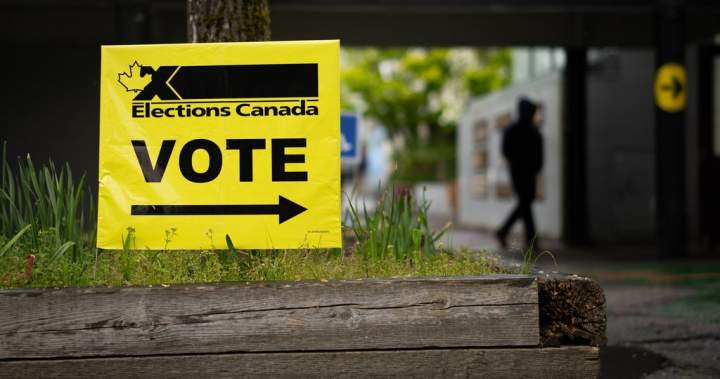
The clock is ticking for voters in three critical ridings where advance polls wrap up Monday evening at nine o’clock. What started as routine vacancies has turned into a high-stakes political chess match. Prime Minister Mark Carney’s grip on a majority government hangs in the balance.
Two Toronto-area seats and one Montreal-region riding will vote on April 13. Scarborough Southwest and University-Rosedale sit firmly in Liberal territory, or so the conventional wisdom suggests. Terrebonne tells a different story altogether. That seat could make or break Carney’s legislative agenda for the next two years.
Elections Canada offices will also accept ballots until six in the evening on Tuesday. Mail-in voting remains an option if applications arrive by the same deadline. The options are there, but time is running short.
How We Got Here
The Terrebonne situation is unusual, even by Canadian standards. The Supreme Court threw out a Liberal victory after a single-vote margin triggered a legal challenge. A Bloc Québécois supporter tried to vote by mail using a special ballot that never got counted. The high court said that wasn’t good enough and ordered a do-over.
That riding belonged to the Bloc before the last federal election. Now it’s anyone’s guess who takes it this time around. Polling aggregator 338 Canada calls it a toss-up between Liberals and Bloc. Nobody’s placing confident bets just yet.
University-Rosedale opened up when Chrystia Freeland left federal politics. The former Liberal MP took on dual roles advising Ukrainian President Volodymyr Zelenskyy and running the Rhodes Trust. It’s a significant career shift for someone who held senior cabinet positions.
Scarborough Southwest became vacant after Bill Blair accepted an appointment as Canada’s high commissioner to the United Kingdom. Another Liberal departure, another seat to fill. The pattern reflects a broader shuffle in party ranks.
The Math That Matters
Carney’s Liberals currently hold 170 seats in the House of Commons. Winning both Toronto ridings would push that number to 172. That’s technically majority territory in a 338-seat legislature. But here’s where it gets interesting.
The Speaker doesn’t typically vote except to break ties. So a government sitting at 172 seats still needs help passing legislation. They need at least one opposition member to vote with them or skip the vote entirely. That’s not a comfortable position for any prime minister.
Terrebonne becomes the critical third piece. Win there, and the Liberals have breathing room. Lose it, and Carney faces constant negotiation just to keep the lights on. Every budget vote becomes a nail-biter.
I’ve covered enough minority parliaments to know how exhausting they become. Ministers spend more time cutting deals than crafting policy. Civil servants draft backup plans for backup plans. Opposition parties gain leverage they wouldn’t dream of in normal times.
What Voters Are Saying
I spoke with residents outside a polling station in University-Rosedale last Saturday. The mood felt more pragmatic than passionate. One voter described it as choosing stability over experimentation. Another said she voted Liberal out of habit, not enthusiasm.
Scarborough Southwest tells a similar story from what I’m hearing. Long-time Liberal supporters show up because they always have. Younger voters seem less engaged with a spring byelection than they might be during a general campaign.
Terrebonne is different. The Supreme Court ruling left a bitter taste for many residents. Some feel their votes were disrespected by administrative failures. Others just want the circus to end so they can get back to normal life.
Bloc organizers I’ve talked to sense an opening. They’re pushing hard on provincial autonomy and cultural protection themes that resonate in that part of Quebec. Liberal canvassers counter with economic stability and federal investment promises. It’s classic Quebec political theatre.
The Bigger Picture
These byelections carry weight beyond three individual ridings. They’re a test of Carney’s appeal outside a general election frenzy. Can he motivate core supporters when stakes feel lower? Do swing voters trust him enough to grant a governing majority?
Opposition parties are watching closely too. The Conservatives need evidence that Liberal support is softening. The NDP wants proof that progressive voters will stick with them rather than drift back to the Liberals. The Bloc is fighting to maintain relevance in a federal landscape that often ignores Quebec-specific concerns.
Turnout will tell us plenty. Byelections typically draw fewer voters than general elections. If Liberal strongholds show weak participation, that signals trouble ahead. Strong turnout with opposition gains would send shivers through Liberal campaign headquarters.
The Terrebonne result matters most for immediate parliamentary math. But all three races combined paint a picture of where Canadian voters stand right now. Are they satisfied with Carney’s leadership? Do they want change? Or are they simply exhausted by politics altogether?
What Happens Next
Advance voting closes Monday at nine in the evening. Elections Canada will count those ballots along with election day results on April 13. We should have clear outcomes by late that Sunday night.
If Liberals sweep all three seats, expect triumphant messaging about a mandate for governance. Losing Terrebonne while taking the Toronto ridings would prompt nervous optimism and careful legislative planning. Losing any Toronto seat would trigger full-blown crisis mode.
The opposition will frame results to suit their narratives regardless. Conservatives will claim any Liberal weakness as validation. The NDP will argue they’re the true progressive alternative. The Bloc will champion Quebec nationalism whether they win or lose.
For voters in these three ridings, the choice is immediate and personal. Do they want their MP supporting the current government or challenging it? That decision shapes how Ottawa functions for the foreseeable future. No pressure, right?
Polling stations will be busy Monday evening as procrastinators rush to meet the deadline. Elections Canada offices will process last-minute applications on Tuesday. Then we wait until April 13 to see how this political drama resolves. The advance numbers might give us hints, but nothing’s certain until votes get counted.
This is democracy in action, messy and uncertain as always. Three ridings, three different stories, one shared outcome that affects the entire country.