The weekly rhythm of food donations has become a quiet lifeline in Notre Dame, where families are feeling the squeeze of grocery bills that seem to climb faster than wages. Monday mornings bring 50 kilograms of fresh produce from Seafood City. Tuesday means ground beef from Harris Meats—50 packages that make their way to child-care centres and community kitchens across the riding.
These aren’t one-off gestures. They’re steady commitments from local businesses that understand food insecurity isn’t an abstract policy problem. It shows up at kitchen tables when parents skip meals so their kids can eat. It surfaces in classrooms when students can’t focus because breakfast didn’t happen. And it weighs on families who are working full-time but still can’t quite make ends meet at the checkout line.
MLA Malaya Marcelino has made food affordability a cornerstone of her work representing Notre Dame. In conversations with constituents, the same concerns emerge: rising costs, limited access to healthy options, and the stress of stretching budgets that were already tight. The community response has been notable not for grand announcements but for consistent action that meets immediate needs while longer-term policy solutions take shape.
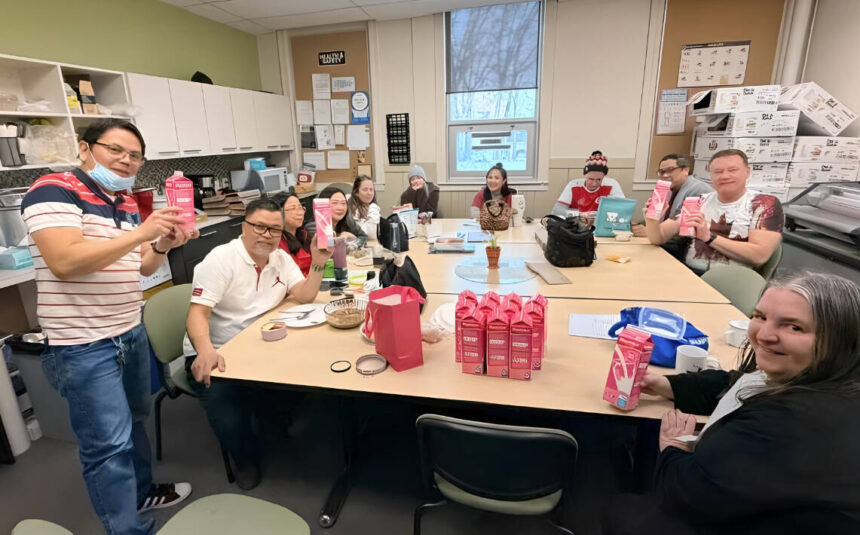
The Schroeder Foundation contributes $25,000 annually to purchase milk delivered weekly to 24 child-care centres throughout the community. That kind of sustained support keeps young families from having to choose between nutrition and other essentials. The foundation also works with Winnipeg School Division on food subsidies, educational supports, and bursaries—programs that recognize food security and educational opportunity are deeply connected.
Behind these efforts are volunteers who organize deliveries, coordinate distribution, and ensure help reaches the families who need it most. Their work doesn’t generate headlines, but it creates the infrastructure that makes community food support functional rather than sporadic. Without them, donations would pile up unused while families go without.
The provincial government has rolled out measures aimed at easing cost-of-living pressures. Starting July 1, the PST on grocery items will be removed—a change that should provide modest relief each time Manitobans shop for food. Free public transit for students through Grade 12 removes another expense from household budgets. Families receiving the highest level of child-care subsidies will no longer pay the $2 daily fee, a small amount that adds up quickly over a month.
The universal nutrition program in Manitoba schools represents a shift toward addressing hunger where it interferes most directly with children’s futures. When students have access to food during the school day, teachers report better focus and engagement. Partnerships with organizations like Harvest Manitoba extend support to infants through baby formula programs, recognizing that food insecurity starts early and requires targeted responses at different life stages.
A grocery affordability study launched by the NDP government aims to understand why costs keep rising faster than incomes. The study examines algorithmic pricing—the dynamic pricing models that adjust costs based on demand and competitor behavior—and how those systems might be contributing to unpredictable price increases. Another focus is restrictive grocery store covenants, agreements that prevent new competitors from opening near existing stores. Removing those barriers could increase competition and give consumers more choice, potentially driving prices down.
These policy moves won’t deliver overnight transformation. Food security is shaped by factors that include wages, housing costs, transportation access, and the availability of affordable nutritious food in neighborhoods. But the combination of immediate community action and longer-term policy reform creates multiple pressure points that together can shift outcomes for families.
What stands out in Notre Dame is how local efforts bridge the gap while systemic changes slowly materialize. Seafood City and Harris Meats didn’t wait for government programs to catch up. The Schroeder Foundation committed resources year after year, building reliability into support systems. Volunteers show up weekly because they see neighbors struggling and refuse to look away.
Political solutions matter, but they move at the pace of legislation and budget cycles. Community initiatives move at the speed of need. Both are necessary. The challenge is ensuring they work in tandem rather than as separate tracks that never quite align.
For families facing food insecurity, the question isn’t whether help comes from a government program or a community donation. It’s whether help arrives consistently enough to stop the anxiety of not knowing where the next meal comes from. In Notre Dame, that consistency is being built through partnerships that acknowledge food access as both a community responsibility and a policy priority.
MLA Marcelino’s office remains a point of contact for residents navigating these supports. Email reaches malaya.marcelino@yourmanitoba.ca, and the office number is 204-799-0800. Accessibility to elected representatives matters when programs change or new supports roll out, particularly for families who don’t have time to track policy updates while managing work and household demands.
Food security work doesn’t generate the attention that major infrastructure projects or headline-grabbing legislation does. But for families living paycheck to paycheck, it’s the difference between stability and crisis. Notre Dame’s approach—combining immediate community action with advocacy for broader policy change—offers a model that other communities facing similar pressures might adapt to their own contexts.
The work continues because the need persists. Grocery prices remain high. Wages haven’t caught up. Housing costs consume larger shares of household budgets, leaving less for food. But the combination of local business contributions, foundation support, volunteer coordination, and provincial policy action creates layers of response that together build toward something more sustainable than any single intervention could achieve alone.