Maria Rodriguez rolled up her sleeve in the waiting room of the Wellington Street walk-in clinic, running her thumb over the small hummingbird inked just above her wrist. She got it in February to mark her daughter’s recovery from cancer. Now she was back at a clinic for a very different reason.
Public health officials in Chatham-Kent issued an urgent alert this week warning residents who received tattoos or piercings at Willows Tattoo and Piercing to seek medical evaluation. The shop, located at 805 Grand Avenue West, operated without a license and allegedly failed to meet basic infection control standards between October 1, 2024 and March 23, 2025. CK Public Health discovered inadequate equipment disinfection practices during an inspection, raising concerns about potential exposure to bloodborne infections including HIV, Hepatitis B, Hepatitis C, and bacterial skin infections.
The timeline matters because infections don’t always announce themselves right away. Hepatitis C can incubate silently for weeks or even months before symptoms appear. HIV may not show up on standard tests for several weeks after exposure. That window of uncertainty is what brings people like Maria back through clinic doors, wondering if a moment of joy might carry hidden consequences.
According to Health Canada guidelines, licensed body art establishments must follow strict protocols including single-use needles, proper autoclave sterilization for reusable equipment, and documented cleaning procedures. When those safeguards break down, the risks compound quickly. The Canadian Association of Public Health reports that improper sterilization in personal service settings accounts for roughly three to five percent of new Hepatitis C cases annually, a small percentage that still translates to hundreds of preventable infections.
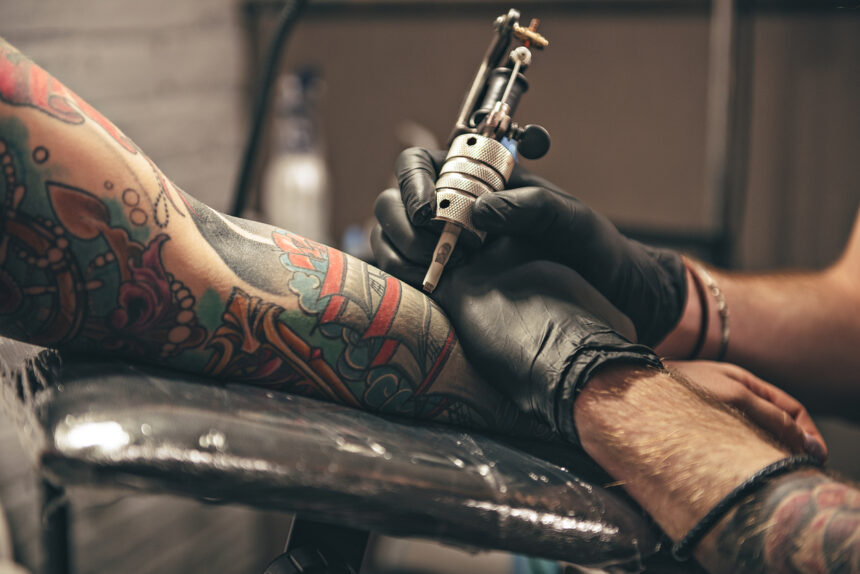
Tattoo and piercing work involves breaking the skin barrier repeatedly, creating direct pathways for pathogens to enter the bloodstream. Even microscopic traces of blood left on inadequately cleaned equipment can transmit disease. The hepatitis virus, remarkably resilient, can survive on surfaces for days under the right conditions. HIV is more fragile outside the body but remains infectious in certain environments, particularly in blood residue on sharp instruments.
Dr. Samuel Chen, an infectious disease specialist based in Windsor, explained the particular challenge of tracking these exposures. “We often see people weeks or months after potential exposure, when testing windows have passed and contact tracing becomes difficult,” he noted during a recent public health webinar. “Prevention through proper licensing and inspection is exponentially more effective than trying to contain outbreaks after the fact.”
CK Public Health emphasized that anyone who received services at Willows Tattoo and Piercing during the identified period should contact their family doctor or visit a walk-in clinic for assessment. Healthcare providers can order baseline bloodwork and determine appropriate follow-up testing schedules. Early detection of bloodborne infections dramatically improves treatment outcomes and prevents transmission to others.
The alert also raises broader questions about regulatory oversight in the body modification industry. Ontario’s Health Protection and Promotion Act requires personal service settings to register with local health units and undergo regular inspections. But enforcement varies significantly across municipalities, and unlicensed operators sometimes fly under the radar for months or years. Small shops in residential areas or those operating semi-privately through social media may never appear on inspection schedules until a complaint triggers investigation.
Community members on local Facebook groups shared mixed reactions to the news. Some expressed anger at what they saw as regulatory failure. Others worried about stigmatizing an entire industry where most practitioners follow rigorous safety standards. Several tattoo artists from licensed Chatham-Kent studios posted detailed explanations of proper sterilization procedures, hoping to educate the public and distinguish their work from unsafe practices.
The psychological impact of these alerts extends beyond physical health risks. People who chose tattoos or piercings to commemorate significant life events now associate those symbols with anxiety and uncertainty. Parents who allowed teenage children to get piercings face guilt and worry. The emotional weight of waiting for test results, even when infection is statistically unlikely, takes its own toll.
Public health responses to situations like this balance urgency with avoiding panic. While the risk to any individual client may be relatively low depending on specific circumstances, the potential severity of bloodborne infections demands proactive screening. Testing protocols typically include initial bloodwork followed by repeat tests at three and six month intervals to account for different incubation periods.
For Maria, the hummingbird still means what it always meant. But now it also serves as a reminder about the invisible infrastructure of safety that makes daily life possible. She waited three hours at the clinic for a ten-minute consultation and blood draw. The doctor was kind and matter-of-fact, explaining the testing schedule and what symptoms to watch for. Results would come in a week for most tests, longer for others.
Walking back to her car, Maria thought about the dozens of small choices that shape our vulnerability or protection. The license hanging on a wall. The autoclave cycle running between clients. The inspector showing up or not showing up. She photographed the public health alert on her phone to share with friends who might have visited the shop. Information, at least, could travel faster than infection.
CK Public Health continues to investigate and has posted detailed information on their website about testing locations and recommended follow-up care. The shop in question has ceased operations. For hundreds of Chatham-Kent residents, the waiting has just begun.