Article – Thursday puts a hard number on what a lot of Canadians already feel in their gut. One year since Donald Trump’s tariff blitz began reshaping cross-border trade, the jobs picture has shifted from steady to stuck. Employment data now shows resilience giving way to something closer to stagnation.
Brendon Bernard at Indeed calls it static. That word matters more than it sounds. Static means not moving. It means waiting. And for workers in auto plants, steel yards, and forestry towns, waiting often comes with worry.
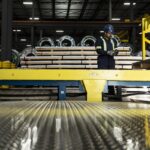
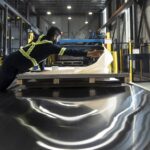
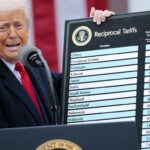
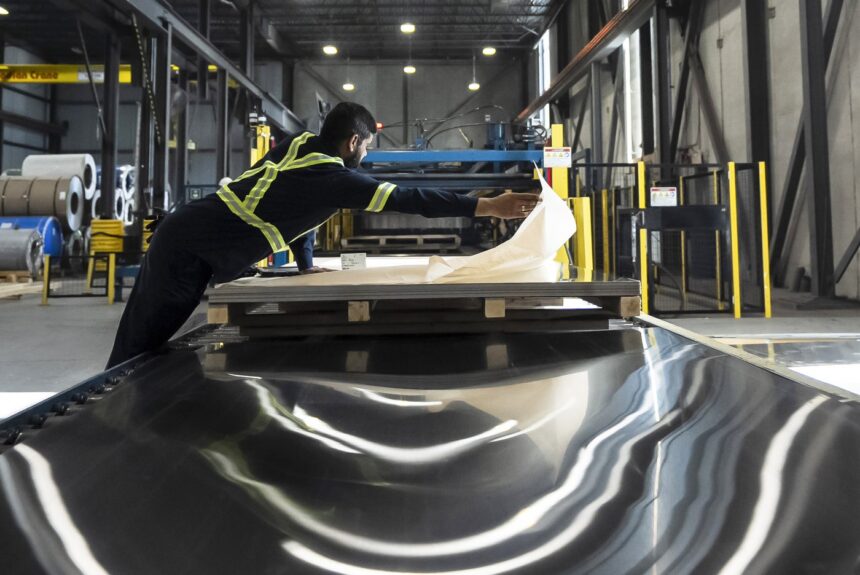
Trump’s Liberation Day tariffs hit Canadian exports hard. Aluminum, lumber, vehicles—all caught in the crossfire of his trade agenda. At first, sectors showed some bounce. Companies adjusted. Provinces rallied support. But a year in, that early grit is fraying.
Bernard points out that the labour pool itself is shrinking. Fewer people entering the workforce means fewer jobs created. Mix that with tariff damage and you get a market that barely breathes. Worse, the pain is starting to spread. Industries not directly touched by duties are feeling the chill. Service jobs. Retail. Support sectors that depend on spending from workers who no longer feel secure.
This is how economic pain travels. It starts at the factory gate and walks into the coffee shop. It moves from layoffs in Windsor to caution in Calgary. The data backs this up. Hiring has slowed. Job postings are down. Vacancies sit unfilled not because talent is missing, but because companies are holding their breath.
Nobody knows what Trump does next. That uncertainty alone is a job killer.
Meanwhile, Foreign Affairs Minister Anita Anand is heading into talks Thursday with counterparts from over thirty nations. The issue is the Strait of Hormuz. That narrow waterway between Iran and Oman handles about a fifth of global oil supply. Right now, it is a flashpoint.
Anand made clear Canada’s position. Once a ceasefire happens, Canada will help secure the strait. That is a big if. Trump and Iran are miles apart on whether Tehran even wants a ceasefire. On Wednesday night, Trump told Americans he plans to hit Iran hard in the coming weeks. He used the phrase “stone ages.” That is not diplomatic language. That is threat language.
Iran’s response came fast. A spokesman for President Masoud Pezeshkian dismissed Trump’s speech as insane. Elias Hazrati said the remarks boosted national pride in Iran. He added that Iran manages the strait powerfully. Translation: they are not backing down.
This is the kind of standoff that keeps markets jittery. Oil prices react to every headline. Shipping companies reroute. And Canada, with its energy exports and trade dependencies, watches closely. Anand’s presence at the U.K.-hosted talks signals Ottawa wants a voice in whatever solution emerges. But solutions require both sides willing to talk. Right now, that seems far off.
Up above all this tension, Canadian astronaut Jeremy Hansen is making history. He and three NASA colleagues launched Wednesday from Kennedy Space Center aboard Artemis II. The mission is humanity’s first return to lunar space in over fifty years.
Hansen is joined by Reid Wiseman, Victor Glover, and Christina Koch. The crew is circling Earth first, testing systems before firing the main engine toward the moon. That burn will push them beyond low Earth orbit. Hansen becomes the first non-American to make that journey.
The mission lasts ten days. It does not land on the moon. That comes later. But this flight proves the hardware works. It proves the Orion capsule can handle deep space. And it puts a Canadian at the center of a mission that redefines what is possible.
For a country often playing second chair in space exploration, this is a milestone. Hansen’s presence reflects decades of Canadian investment in robotics, research, and collaboration. It also matters symbolically. In a week dominated by tariffs and conflict, here is a story about ambition and cooperation.
Back on the ground, a Quebec courtroom is focused on closure. Salim Touaibi returns for sentencing today after a jury convicted him of first-degree murder last week. He killed Meriem Boundaoui, a fifteen-year-old girl, in a drive-by shooting in Montreal’s St-Léonard area in February 2021.
Boundaoui was sitting in a Volkswagen Jetta when a white Mercedes pulled up. Someone inside opened fire. The jury also convicted Touaibi on four counts of attempted murder. His co-accused, Aymane Bouadi, was acquitted.
First-degree murder carries an automatic life sentence with no parole eligibility for twenty-five years. What the court decides today will shape how long Touaibi stays behind bars. But no sentence brings Boundaoui back. Her family has waited years for this moment. Sentencing offers some measure of accountability, even if it cannot offer peace.
And in rural New Brunswick, a different kind of crime is sparking frustration. Copper theft is surging. In early January, thieves stole telephone wire in Clarendon, a small area between Fredericton and St. John. About 135 people lost phone service for two weeks.
Clarendon has poor cell coverage. No landline means no 911. Sgt. Ben Comely with the RCMP said residents were cut off completely. Police later found the stolen wire in buckets at a nearby home. The thieves had melted off the rubber coating to get at the copper inside.
Officers seized ninety kilograms of wire and charged three people with theft over five thousand dollars. This case is not isolated. Copper thefts are rising across Canada. Telephone lines, electrical wire, construction materials—all targets. The metal fetches good money at scrap yards.
Some blame the yards themselves. Critics say dealers are not asking enough questions. Scrap yard owners push back. They insist they refuse suspicious sellers. But copper keeps disappearing. And people keep losing critical services.
The pattern is clear. When metal prices rise, theft follows. Copper is valuable. It is also easy to melt and sell. Communities pay the price. Rural areas especially. Losing phone service is not just inconvenient. It is dangerous.
Thursday’s headlines cover a lot of ground. Jobs stuck in place. Diplomacy strained by threats. A Canadian astronaut making history. A grieving family awaiting sentencing. And copper thieves disrupting lives for quick cash. These stories do not connect neatly. But together, they sketch a moment. Canada navigating economic uncertainty. Global tension. Historic achievement. Justice delayed. And crime that hits close to home.