Homeowners across Calgary are bracing for a sharp increase in their property tax bills this year. The overall residential hike sits at 8.1 per cent. Most of that burden traces back to the provincial government’s demand for a larger share of municipal tax revenue.
City council approved the final numbers Tuesday after months of budget negotiations. Councillors had worked to keep the municipal portion modest at just 1.2 per cent for both homes and businesses. But the province’s education property tax requisition jumped by 19.8 per cent for residential properties.
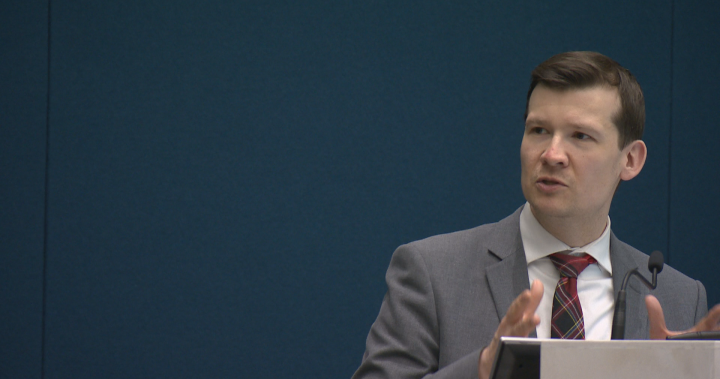
That provincial spike overshadowed city efforts to hold the line on spending. Mayor Jeromy Farkas voiced frustration with the province’s approach. He told reporters that council did the hard work to stay within fiscal limits.
The typical single-family home in Calgary carries a median assessment of $706,000. Owners of those properties will see their monthly property tax bill rise by $32.25. That works out to a nine per cent annual increase.
Condo owners fare slightly better with a four per cent hike. The typical residential condo assessed at $347,000 will cost an extra $7.41 each month. Multi-residential properties face the steepest climb at 16.2 per cent this year.
Non-residential properties see more moderate increases. The median assessed commercial property will pay an additional 2.5 per cent in property taxes. That follows an 8.8 per cent jump in the provincial portion for business properties.
Calgary now sends over $1.2 billion in property taxes to the provincial government annually. The city’s remittance increased by $200 million this year alone. According to municipal officials, Calgary pays the highest per capita education property tax of any Alberta city.
Ward 13 Councillor Dan McLean acknowledged residents called for more teachers and school supports. Those services require funding, but the cost lands on property owners. He expressed reservations about supporting the increase despite constituent pressure for better educational resources.
City officials note that 42 cents of every property tax dollar collected in Calgary goes to the province. That ratio highlights the limited control municipal leaders have over total tax bills. Residents often assume city hall sets all tax rates.
Farkas said he wants the province to allow Calgary to issue two separate property tax bills. One would show the municipal portion and another the provincial share. Current legislation requires cities to send a single combined bill to property owners.
The mayor hopes transparency might shift public pressure toward the right level of government. He also pointed to higher-than-expected oil prices as a reason for provincial restraint. Resource royalties have exceeded budget forecasts, which could strengthen Alberta’s fiscal position.
A spokesperson for Alberta’s finance minister acknowledged that elevated oil prices can help offset deficits. But the province maintains its current budget remains unchanged. Officials said prices were high only in recent weeks, not across the full fiscal year.
The province projects a $9.4 billion deficit for the 2026 budget year. Sustained low oil prices through most of the fiscal period created that shortfall. A few weeks of strong commodity prices don’t erase months of lower revenue.
Provincial officials invited Farkas to submit proposals during the 2027 budget consultation period. That timeline offers little relief for Calgarians facing this year’s tax hike. Homeowners will receive bills in May with payment due by June 30.
Ward 4 Councillor DJ Kelly suggested the situation might create unexpected opportunities. If residents don’t direct anger toward the province, city council may feel emboldened to accelerate infrastructure projects. Established neighbourhoods need road paving, recreation centres, and playground upgrades.
Kelly told reporters that all those improvements cost money. The public reaction to this tax increase could shape future municipal budget decisions. Council may interpret silence as permission to spend more aggressively on deferred maintenance.
The tension between municipal and provincial tax policies is not unique to Calgary. Cities across Alberta face similar pressures as provincial education funding shifts costs to local property owners. Small towns and rural municipalities also saw requisition increases.
Homeowners in Calgary’s established communities already face rising costs from inflation and mortgage renewals. Adding nearly $400 annually in property taxes strains household budgets. Fixed-income seniors and young families feel the pinch most acutely.
The city’s property assessment system means tax increases don’t hit all neighbourhoods equally. Areas with rising home values see proportionally higher bills even when tax rates stay flat. Inner-city communities with strong real estate markets carry more of the burden.
Business owners also worry about competitiveness as non-residential property taxes climb. Commercial landlords often pass costs to tenants through triple-net leases. Retail shops and restaurants operate on thin margins and struggle to absorb additional expenses.
Farkas emphasized that city council delivered fiscal discipline despite political pressure. The 1.2 per cent municipal increase barely keeps pace with population growth. Calgary added tens of thousands of residents last year who expect city services.
The mayor’s call for separate tax bills aims to educate ratepayers about government spending. Many Calgarians don’t realize how much of their property tax supports provincial priorities. Education funding represents the largest share of the provincial requisition.
Alberta’s government sets education property tax rates to fund schools across the province. That system redistributes wealth from high-assessment cities like Calgary to rural areas with fewer resources. The provincial pooling model ensures relatively equal education funding per student.
Critics argue the system unfairly burdens urban homeowners while letting the province avoid politically difficult tax decisions. Defenders say pooled education funding creates equity across diverse communities. The debate reflects broader tensions about taxation and service delivery.
Property owners can expect ongoing pressure as infrastructure deficits mount. Calgary’s aging water mains, roads, and public buildings need billions in investment. Provincial requisitions leave less room for municipal capital spending without raising overall tax rates.
The coming months will test whether Calgarians direct frustration at city hall or toward the provincial government. Public understanding of tax policy often lags behind the reality of multi-level governance. Farkas hopes greater transparency changes that dynamic.