A missile interception near a United Nations peacekeeping camp in southern Lebanon has once again exposed the precarious position of Canadian Armed Forces personnel stationed in one of the world’s most volatile regions. While the Department of National Defence confirmed all CAF members are safe following the March 22, 2026 incident at Camp Naqoura, the episode underscores troubling gaps in public accountability and transparency surrounding Canada’s military deployments in active conflict zones.
The incident occurred as tensions between Israel and Hezbollah reached what UNIFIL itself described as a “worrying deterioration.” According to the UN mission’s March 18 statement, the area has seen heavy exchanges of fire, intensified air and ground activity, and increased Israeli military presence inside Lebanese territory. DND spokesperson Daniel Blouin confirmed damage near the Israel-Lebanon border but declined to provide further details, citing operational security. Four CAF officers are currently deployed under Operation Jade as United Nations Military Observers, according to the department’s website.
UNIFIL was established in March 1978 to confirm Israeli withdrawal from southern Lebanon and monitor the Blue Line, the demarcation between Lebanese and Israeli territory. Peacekeepers in this mission do not engage in combat but serve critical functions: reporting violations, liaising between parties, and facilitating humanitarian access. The work requires physical presence in contested areas, which means Canadian personnel operate with minimal protection in zones where state and non-state actors regularly exchange fire. The Israeli military announced plans this week to expand ground and air operations against Hezbollah, further complicating the security environment for peacekeepers who lack the capacity to defend against modern missile systems.
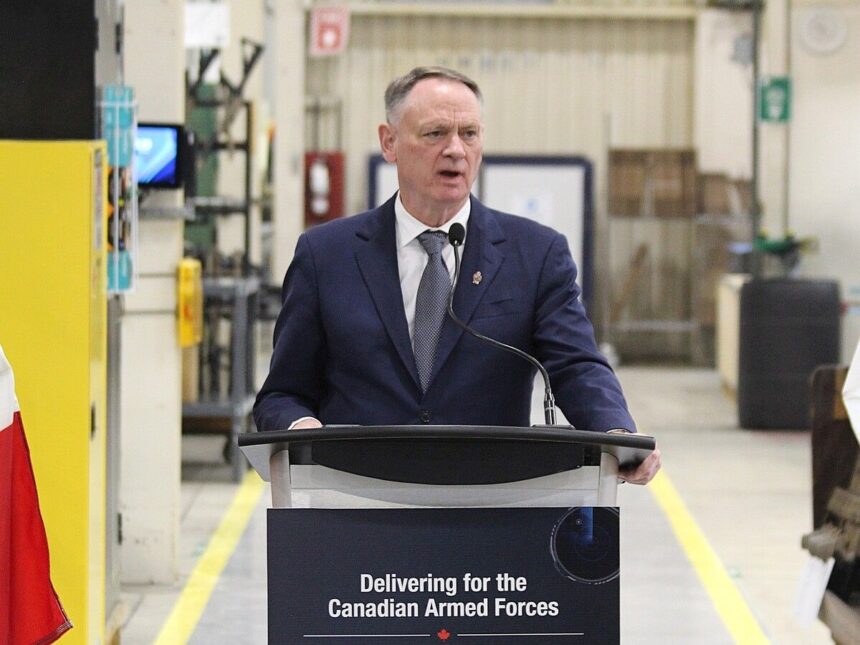
This latest incident follows a deeply concerning pattern of delayed disclosure regarding CAF personnel safety in the Middle East. Earlier this month, Canadians learned through reporting by La Presse that an Iranian strike had hit a base in Kuwait where CAF members were stationed. Parliament and the public were informed eleven days after the fact, not through official government channels but through investigative journalism. Defence Minister David McGuinty initially claimed he first learned of the strike through the media report, then clarified he had been informed “immediately” by Canadian officials but was referring specifically to media awareness in his earlier comments.
The contradiction raises fundamental questions about ministerial accountability and the public’s right to know when Canadian military personnel face direct threats. Opposition leaders have criticized McGuinty for failing to inform Parliament promptly, calling for greater transparency on the status of CAF personnel and assets in conflict zones. In a democracy, timely disclosure is not a courtesy but an obligation, particularly when lives are at stake and public funds support these deployments.
Approximately two hundred CAF personnel are currently stationed across the Middle East as the Iran War continues to escalate. Defence officials confirmed efforts have focused on force protection, including relocating some personnel within the region, maintaining positions where security is deemed appropriate, and redeploying others back to Canada. On Friday, CAF and NATO allies withdrew personnel from Iraq, relocating them to secure locations as the security situation deteriorated. General Alexus Grynkewich, Supreme Allied Commander Europe, thanked Iraq and allied nations for assisting in the safe relocation and praised NATO Mission Iraq personnel for their professionalism throughout the crisis.
McGuinty has repeatedly stated that CAF will play no offensive role in the Iranian conflict but has left open the possibility of assisting Gulf states. On Saturday, Foreign Affairs Minister Anita Anand signed a joint statement with G7 foreign ministers affirming readiness to take necessary measures to support global energy supplies and safeguard the Strait of Hormuz. The strategic waterway, which handles twenty percent of global oil and gas supply, has remained mostly closed since conflict began on February 28, creating significant economic and humanitarian pressures.
These commitments carry legal and operational implications that deserve public scrutiny. Assisting Gulf states in safeguarding shipping lanes could place Canadian personnel in situations where the line between defensive and offensive operations becomes dangerously blurred. Parliament has not been asked to debate or authorize expanded military engagement, yet incremental decisions are being made that could fundamentally alter Canada’s role in a widening regional conflict.
The legal framework governing peacekeeping operations and disclosure requirements also merits examination. Under the United Nations Peacekeeping Operations Act and departmental policies, the government has broad discretion in deciding what information to share and when. There is no statutory requirement mandating immediate public disclosure of attacks on CAF personnel abroad, though conventions of ministerial responsibility suggest Parliament should be informed without delay. This discretionary space allows for operational flexibility but also enables the kind of delayed disclosure that erodes public trust.
Democratic oversight requires that citizens and their elected representatives have access to timely, accurate information about military deployments, particularly when those deployments involve risk to life. The pattern emerging from recent incidents suggests a troubling reluctance to proactively disclose threats to CAF personnel, relying instead on reactive statements after media reporting forces the issue. This approach undermines the principle that government serves at the pleasure of an informed electorate.
UNIFIL peacekeepers operate under a mandate to monitor and report, not to engage in combat. Yet they remain physically present in areas where sophisticated military operations unfold, including missile strikes and airstrikes. The safety assurances provided after each incident, while welcome, do not address the structural vulnerability of lightly armed observers in high-intensity conflict zones. Should courts or Parliament examine whether current peacekeeping mandates adequately protect personnel, or whether continued deployment in rapidly deteriorating conditions constitutes acceptable risk?
The public deserves answers to these questions, delivered through transparent processes rather than piecemeal revelations. Canada’s commitment to international peacekeeping is a valued part of our national identity, but it must be grounded in honest assessment of risks, clear legal authority, and robust democratic oversight. When ministers cannot provide consistent accounts of when they learned about attacks on Canadian troops, the entire framework of accountability comes into question.