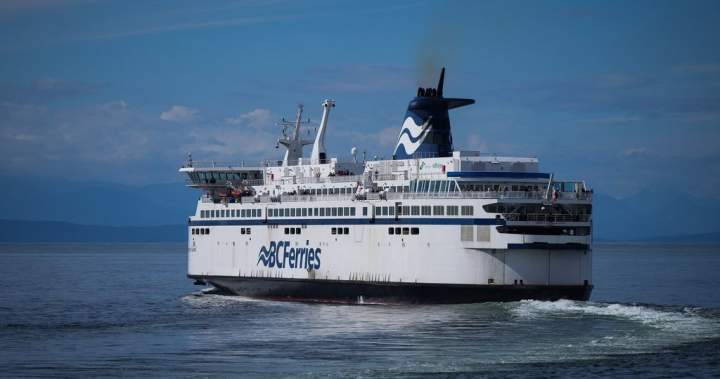
Passengers boarding BC Ferries this week face a fresh financial pinch. Fares climbed by an average of 3.2 per cent starting Wednesday. That means another $5 for a car and driver between Tsawwassen and Swartz Bay. The new standard rate with a reservation now sits at $110 each way.
April Joe, a passenger waiting at the terminal, summed up the mood. “Gas, ferries, food… it makes it really hard on people,” she told reporters.
The timing feels off for many. BC Ferries just emerged from service disruptions over the Easter long weekend. Now comes the price bump. CEO Nicolas Jimenez says the increases were locked in years ago. They’re needed to cover operating costs, he explained to Global News on Monday.
But the fare hike arrives amid broader questions about how the Crown corporation is run. The BC Ferry and Marine Workers’ Union has raised concerns about top-heavy management. Eric McNeely, the union president, put it plainly. “Management is bigger than anyone can remember,” he said. “And the number of vessels hasn’t really changed.”
Jimenez earned $530,000 in total compensation during the 2025 fiscal year. That figure includes a $15,000 benefit for a condo in Victoria, where BC Ferries operates its head office. He lives in North Vancouver and commutes weekly. “I’m away from my family Monday to Thursday,” Jimenez said. “I feel it’s important to be in Victoria, where our head office is, but it’s also important for me to be inside the system.”
McNeely sees a disconnect. “You have someone who’s working on terminals not getting full-time shifts, maybe going to the food bank,” he said. “And the CEO’s making more than half a million dollars and that includes a taxable benefit with housing. It’s hard to square that.”
The governance structure itself invites scrutiny. BC Ferries operates under a model the BC Liberals introduced in 2003. It includes four layers of bureaucracy and two separate boards. Combined, those boards seat 19 directors. They and their immediate families sail for free. The new fare increase doesn’t touch them.
Meanwhile, Jimenez and Transportation Minister Mike Farnworth have been pressing Ottawa for help. They want the federal government to subsidize BC Ferries at the same rate as ferry services in the East. Right now, British Columbia receives around three per cent in federal support.
Last July, Prime Minister Mark Carney announced a 50 per cent fare cut for Eastern Canada Ferry Services. That move benefits Prince Edward Island, Nova Scotia, New Brunswick, and Quebec. Marine Atlantic, the constitutionally mandated service linking Newfoundland to Nova Scotia, also got the discount.
Premier David Eby called it a “structural unfairness” at the time. The disparity still stings. BC Ferries moves people and goods across coastal waters that define life in this province. Yet federal backing lags far behind what eastern routes receive.
Jimenez says a review of the Easter weekend disruptions is underway. Passengers endured delays and cancellations during one of the busiest travel periods of the year. The union believes management bloat played a role. When leadership layers multiply but the fleet stays the same, resources get stretched thin.
The fare structure itself reflects decisions made two decades ago. The 2003 model aimed to shift BC Ferries toward a more commercial footing. It created distance between government and day-to-day operations. But it also added bureaucratic complexity. Two boards and multiple oversight mechanisms don’t come cheap.
Terminal workers, meanwhile, struggle to secure full-time hours. Some turn to food banks between shifts. The wage gap between frontline staff and executive compensation keeps widening. Union members see it every day. They board the same vessels the CEO rides weekly. But their paycheques tell a different story.
Passengers absorb the cost either way. Families planning summer trips now factor in higher fares. Small businesses moving goods across the Strait of Georgia adjust their budgets. Seniors on fixed incomes recalculate travel plans. The 3.2 per cent average increase might sound modest on paper. But it stacks on top of rising fuel, groceries, and housing costs.
The question of federal fairness won’t disappear. BC Ferries isn’t just a transportation service. It’s a lifeline for coastal communities. Islands depend on reliable, affordable access to the mainland. Tourism operators need predictable fares to attract visitors. Workers commute across the water to jobs they can’t find at home.
Carney’s decision to slash eastern ferry fares highlights a policy choice. Ottawa deemed those routes worthy of major subsidies. British Columbia’s coastal network didn’t make the cut. Eby and Farnworth argue the math doesn’t add up. If ferries matter in the Maritimes, they matter here too.
Jimenez defends his compensation package as standard for a CEO managing a large operation. He points to the complexity of running a fleet that serves dozens of routes. The weekly commute, he says, keeps him connected to the system. Riding the ferries himself offers insight into passenger experience.
McNeely counters that leadership should mean sharing sacrifice. When fares climb and workers skip meals, executive perks feel tone-deaf. A half-million-dollar salary plus housing benefits sends a message. So does free travel for board members and their families.
The 2003 governance model promised efficiency and accountability. Critics now wonder if it delivered bureaucracy instead. Four oversight layers mean more meetings, more reports, more salaries. Whether that structure improves service or inflates costs depends on who you ask.
Passengers stepping off the ferry this week carry mixed feelings. Relief that Easter disruptions have passed. Frustration that costs keep climbing. Uncertainty about whether leadership grasps the daily reality of affordability pressures. The fare increase was set years ago. But timing matters. So does trust.