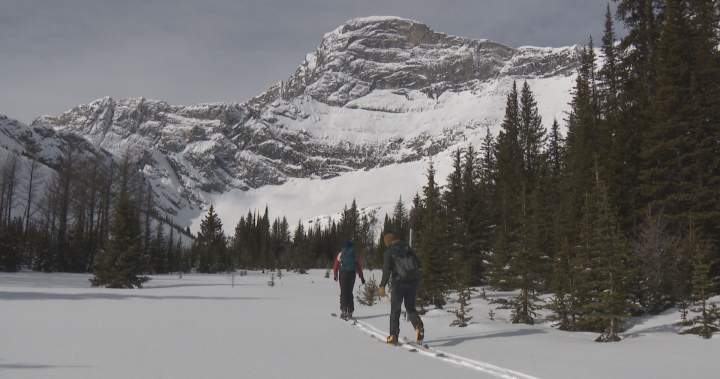
The snow came late to the Rockies this year, but when it arrived, it didn’t hold back. By mid-March, the peaks straddling Alberta and British Columbia were wrapped in white so thick that highway workers joked about needing periscopes. Ski hills extended their seasons. Avalanche bulletins flickered red across bulletins. And beneath all that powder, something quieter was happening: the land was drinking.
For ranchers and farmers across southern Alberta, the winter of 2024 felt like a gamble finally paying off. After three years of drought that left dugouts cracked and cattle thin, the snow arrived heavy and persistent. It piled up in the high country, layer upon patient layer, building what hydrologists call the snowpack. This frozen reservoir doesn’t make headlines the way floods or fires do, but it shapes everything that follows once the warmth returns.
Sharon Klassen runs cattle near Claresholm, about an hour south of Calgary. She’s spent the last few springs watching her pastures brown before May. Her family has ranched this land since the 1940s, and she remembers when snowmelt used to fill the creeks reliably every April. Recently, though, the melt has been meager. Dugouts that once brimmed stayed half empty. Hay prices climbed. Feed bills swelled. This winter, when the snow kept falling, she allowed herself a flicker of hope.
Alberta’s snowpack is measured through a network of automated snow pillows scattered across the mountains. These devices, tucked into remote alpine bowls, weigh the snow above them and send data back to provincial water managers. The numbers from this winter tell a story of abundance. Across much snowpack basins, measurements have climbed well above the long-term average. Some sites are reporting depths not seen in over a decade. It’s the kind of winter that water scientists dream about, the kind that buys time.
John Pomeroy, a hydrologist at the University of Saskatchewan, has studied prairie water systems for decades. He explains that snowpack acts like a savings account for the landscape. When snow accumulates in the mountains, it stores water through the coldest months, then releases it slowly as temperatures rise. This gradual melt feeds rivers, fills reservoirs, and seeps into aquifers. Without it, even a wet summer can’t compensate. The timing matters as much as the volume. A deep snowpack means water arrives when crops are planted and animals are calving, not all at once in a destructive flood.
This year’s heavy snowfall didn’t just pile up in the high country. It blanketed the foothills and eastern slopes, regions that feed into the Oldman, Bow, and Red Deer river systems. These watersheds supply drinking water to over two million people and irrigate thousands of acres of farmland. When the snow is thin, conflicts arise. Cities, farms, and ecosystems all compete for a shrinking resource. A robust snowpack eases that pressure, at least for a season.
But snow alone doesn’t solve the deeper problem. Alberta has been warming faster than the global average, and the effects ripple through water systems in complex ways. Warmer winters mean more precipitation falls as rain instead of snow, which runs off quickly rather than storing in the mountains. Spring arrives earlier, shifting the timing of melt and disrupting the rhythms that agriculture depends on. Even a banner snow year like this one exists within a broader trend of increasing variability and unpredictability.
Farmers and ranchers have learned to read the snowpack reports the way sailors read tide charts. They check the numbers online, compare them to previous years, and adjust their plans accordingly. A strong snowpack might mean taking a risk on more calves or planting a slightly thirstier crop. A weak one prompts tough decisions about herd size and whether to lease additional grazing land elsewhere. The snowpack has become a kind of oracle, imperfect but essential.
The ski resorts along the continental divide are enjoying the surplus too. Lake Louise, Sunshine Village, and Marmot Basin have all extended their seasons into late April. Lift operators say the conditions rival the best years of the past two decades. Avalanche control teams have been busy, using explosives to trigger slides in a controlled way before they threaten highways or backcountry travelers. The snow is so deep in some areas that highway maintenance crews have had to re-mark lanes multiple times as plows push white walls higher.
Tourism operators are grateful, but they also understand the paradox. The same climate shifts that brought this year’s heavy snow also bring long-term instability. Ski hills are investing in snowmaking equipment, diversifying into summer activities, and planning for a future where winters like this one might become rarer. They celebrate the good years while bracing for lean ones.
Water managers are cautiously optimistic but far from complacent. Reservoirs across southern Alberta entered the winter at concerningly low levels after years of below-average runoff. This spring’s melt will help, but it won’t erase the deficit entirely. Multi-year droughts don’t end with a single good winter. They end slowly, with consecutive years of above-average moisture that allow ecosystems and human systems to recover their resilience.
Climate projections for the prairies suggest that while overall precipitation might not drop dramatically, its distribution will become more erratic. Wet years and dry years will swing more wildly. Snowpacks will fluctuate. River flows will become harder to predict. Adaptation means building infrastructure and practices that can handle both extremes, not just average conditions.
For now, though, ranchers like Sharon Klassen are allowing themselves some relief. The snow is there, thick and promising. When it melts, it will fill the creeks and soak into the soil. Grass will grow. Cattle will graze. The land will remember, for a season at least, what abundance feels like. It’s not a solution, but it’s a reprieve. And in a changing climate, reprieves matter.