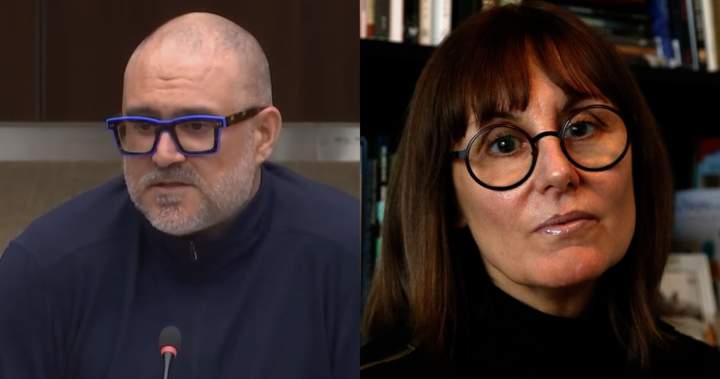
A court ruling out of Saskatchewan is stirring questions about identity, intention, and how far public criticism can go before it becomes defamation.
Darryl Leroux, a well-known researcher who studies Indigenous identity fraud, has been ordered to pay $70,000 in damages and legal fees. The case was brought by Michelle Coupal, a University of Regina academic who says Leroux defamed her by publicly claiming she used a false Indigenous identity to advance her career in reconciliation work.
The decision landed March 11, handed down by Judge D.E. Labach. It’s drawn attention from scholars, legal experts, and Indigenous communities across the country. At the heart of it is a delicate balance between calling out fraud and respecting someone’s genuine belief in their own ancestry.
Coupal started identifying as Indigenous in 2010. She said she believed she had an Algonquin ancestor dating back to the early 1800s. The Algonquin Nation accepted her initially. By 2018, she held a prestigious role as Canada Research Chair in Truth and Reconciliation and Indigenous Literatures.
Then came 2023. The Algonquin Nation conducted what some have called a purge of its genealogical records. They removed Thomas Legarde from their root ancestor list. The nation determined Legarde was French, not Algonquin as previously believed. That decision severed Coupal’s genealogical tie to the nation, along with more than a thousand others who traced their lineage through him.
Judge Labach’s ruling focused on intent. He found that Coupal didn’t maliciously claim Indigenous identity. She believed it to be true based on the information available to her at the time. That finding became the pivot point of the case.
Coupal declined an interview request. Her lawyer, Paul Harasen, issued a statement clarifying what the court actually ruled on. He said Leroux wasn’t found liable for saying Coupal isn’t Indigenous. The problem was that he went further and repeatedly said she committed fraud. Those are fundamentally different accusations.
Leroux also declined to comment directly. His lawyer, Yavar Hameed, pointed out that the court didn’t weigh evidence about whether Coupal is Indigenous. Instead, it examined whether she subjectively believed she was Métis or Algonquin at different points in her career. Hameed added that public discussion about the appropriation of Indigenous identity by non-Indigenous people matters. Leroux plans to appeal.
Veldon Coburn weighed in on the ruling’s implications. He’s a citizen of the Algonquins of Pikwàkanagàn First Nation and a professor whose research covers Indigenous identity politics and settler colonialism. Coburn filed an affidavit supporting the defence and has collaborated with Leroux in the past.
He says there’s much to be desired in how courts understand Indigenous peoples. That gap in understanding can shape outcomes in cases like this one, where identity and ancestry are central but also culturally complex.
Michelle Good, a retired lawyer from Red Pheasant Cree Nation, says the stakes are higher than one court case. She argues that non-Indigenous people working in Indigenous roles without lived experience cause real harm. Good points to growing numbers of people trying to identify as Indigenous bands to participate in treaty discussions that benefit them alone.
She sees it as a threat to the meaning of Indigeneity itself. Another form of assimilation, she says. The concern isn’t abstract. Treaty negotiations, federal funding, and cultural authority all hinge on who gets recognized as Indigenous.
Good says an appeal is possible but not simple. You need to demonstrate an error of law or an error in fact. That’s a high bar. Still, the case has opened debate about how defamation law interacts with identity politics and scholarship.
Good is among several top scholars working on a book titled The Pretendian Compendium. The project examines the complex phenomenon of Indigenous identity fraud. It’s set for release in 2027. The work aims to document patterns, motivations, and consequences of what some call race-shifting.
Leroux has been at the forefront of this research for years. He testified as an expert before the Standing Committee on Indigenous and Northern Affairs. He also wrote Distorted Descent, a book exploring how some white people shift to self-defined Indigenous identities. His work has influenced policy discussions and sparked controversy in equal measure.
This case sits at a crossroads. On one side is the need to protect people from false accusations that damage reputation and livelihood. On the other is the urgent work of protecting Indigenous identity from erosion and exploitation. Courts aren’t always equipped to navigate that terrain.
The ruling doesn’t settle the broader debate. It clarifies that calling someone a fraud requires proof of intent, not just a disputed genealogy. That distinction matters in defamation law. But it leaves unresolved questions about who decides Indigenous identity and what happens when those decisions change.
For Coupal, the ruling offers vindication of her intentions, if not her identity claims. For Leroux, it’s a setback in what he sees as necessary public accountability. For Indigenous communities watching closely, it’s a reminder that legal frameworks don’t always align with cultural realities.
The appeal, if it proceeds, will test whether courts can better address these tensions. Until then, the $70,000 judgment stands as a costly lesson in the line between criticism and defamation.