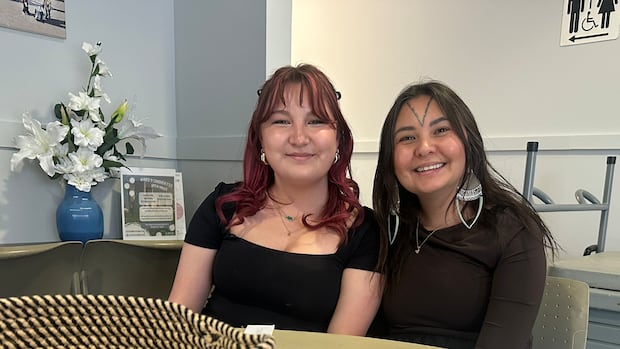
Andrea Ng stood in a Calgary community hall watching plates of frozen Arctic char and whale blubber disappear faster than expected. She’d planned for forty people. Eighty showed up instead.
“We had to change venues last minute,” she said. The overflow wasn’t a problem though. It meant something was working.
For decades, Inuit people have quietly made Alberta home. They’ve built careers in Edmonton and Calgary. They’ve raised children thousands of kilometres from the Arctic. But until recently, they’ve had few spaces to gather around the foods and traditions that define who they are.
That’s changing now. The Inuit Albertamiut Association has started asking a simple question: what do you need? The answers are reshaping how urban Inuit communities connect across the prairies.
A Growing Population With Unmet Needs
According to Statistics Canada’s 2021 census, 2,945 people identified as Inuit in Alberta. That’s up nearly 18 percent from 2016. The growth outpaced both First Nation and Métis populations during the same period.
Donna Kissoun, who works as Ikajukti (helper) with the association, believes the real number is higher. Many Inuit don’t always show up in official counts. They move between provinces. They work transient jobs. Some just don’t fill out census forms.
“They’re lonesome for each other,” Kissoun said. She’s watched isolation wear people down. Cities like Calgary offer economic opportunity but little cultural infrastructure for Inuit arrivals.
Previous attempts to organize Alberta’s urban Inuit population fell apart. Volunteer fatigue set in. Resources dried up. Internal conflicts derailed momentum. Jeanien Cooper, who founded the current association, knows the history well.
“There’s 52 different communities of Inuit, and we’re representing all of them,” Cooper explained. The diversity complicates unity efforts. It’s like trying to represent every First Nation across Canada simultaneously. Each group carries distinct traditions, dialects, and expectations.
But Cooper sees a path forward this time. The association secured funding from Alberta’s provincial government and several Indigenous organizations. They’ve hired staff, established an Elder advisory council, and drafted bylaws. Incorporation as a not-for-profit is the next step.
“I have to persevere for up-and-coming generations of Inuit,” Cooper said. “If I let this go we’re set back another ten years.”
Survey Reveals Hunger for Connection
The association launched a survey asking Inuit Albertans what matters most. So far, roughly 370 people have responded. The data reveals patterns Kissoun expected but hadn’t fully quantified.
People miss their food. Not just as sustenance, but as cultural anchor.
Traditional Inuit meals carry memories of home. They create conversation. At the March gathering in Calgary’s Bridgland Riverside Community Association, organizers served caribou stew, Arctic char chowder, and frozen whale blubber. The ingredients had to be flown in. The preparation took hours.
Nobody complained. Plates emptied quickly.
“Our food is really important to us,” Kissoun said. “When we get together we just feed them and let them visit.”
Ng, who organizes the gatherings, grew up in Cambridge Bay, Nunavut. Her childhood included regular community events centred on food and storytelling. Moving to Edmonton meant leaving that rhythm behind.
She’s working to recreate it here. The March event’s attendance surge confirmed the demand exists. People are finding out about the gatherings through word of mouth and social media. They’re driving hours to attend.
“It’s good because it means we’re growing,” Ng said.
More Than Food: Building Authentic Spaces
Tapisa Kilabuk has lived in Calgary for eighteen years. She’s attended powwows and participated in sweat lodges through Treaty 7 organizations. She’s grateful for those invitations. But they don’t quite satisfy what she’s seeking.
“That doesn’t authentically represent my culture,” Kilabuk explained. Hearing Inuktitut spoken around her feels different. Eating country food prepared the way her family prepared it feels different. “It’s very inviting, it’s fulfilling, it’s community.”
The association plans to expand beyond meal gatherings. Survey responses are shaping grant applications for throat singing classes, drum dancing workshops, and sewing circles. Youth programs are in development.
Ng emphasized that plans come directly from community input. “This is all coming from the data from the survey,” she said. “We’re working on grants now to make it happen.”
The goal isn’t just cultural preservation. It’s creating infrastructure that urban Inuit can access without navigating systems designed for someone else.
Kissoun pointed out that federal programs often lump all Indigenous peoples together. Those programs rarely account for the specific challenges facing urban Inuit. Housing applications, healthcare navigation, and employment services don’t always translate across cultural contexts.
“We need to represent our people,” Kissoun said. “Our people are falling between the cracks.”
Building What Lasts
The association’s strategy hinges on sustainable growth. Previous organizing efforts collapsed under their own ambition. This time, leaders are moving methodically. Secure funding first. Establish governance structures. Listen before programming.
The survey remains open through the association’s social media channels. More responses mean better data. Better data shapes programs that actually serve needs rather than assumptions.
Cooper carries the weight of previous failures. She knows how fragile community organizations can be, especially when serving dispersed populations with limited resources. But watching eighty people gather over caribou stew offers tangible proof.
The kids love it, Ng noted. Second-generation Albertans who’ve never lived in the Arctic still light up when they taste Arctic char. Language they’ve only heard in fragments suddenly surrounds them. They see themselves reflected back.
That’s what keeps organizers pushing through logistics headaches and funding applications. Flying in country food isn’t cheap. Finding venues that accommodate last-minute attendance surges takes scrambling. Coordinating volunteers across Edmonton and Calgary requires constant communication.
But when plates empty and conversations stretch late, the effort justifies itself. Loneliness diminishes. Connections form. Culture doesn’t just survive in Alberta’s cities—it grows.
The association hopes to expand programming throughout the year. More gatherings. More classes. More spaces where being Inuit in Alberta doesn’t feel like an exception. Where children learn throat singing not as academic exercise but as birthright.
Kissoun summed it up plainly. “It’s a good feeling.”