BC Ferries Faces Disruptions Amid Easter Travel Rush
Thousands of British Columbians planning Easter weekend trips are staring down ferry cancellations, mechanical breakdowns, and limited sailing options. The timing couldn’t be worse for BC Ferries, which typically moves around 400,000 passengers and 160,000 vehicles during the long weekend.
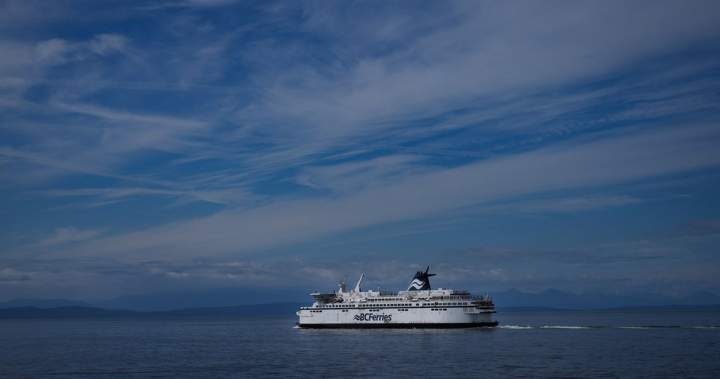
The Spirit of Vancouver Island remains docked after a generator failure hit on Tuesday. That vessel had just resumed service days earlier following a separate breakdown during spring break. Meanwhile, the Queen of Surrey is still away for its annual refit, further shrinking capacity on critical routes.
Nicholas Jimenez, BC Ferries CEO, acknowledged the frustration publicly on Thursday. He said the past few days have been difficult and fell short of what people expect, especially before a major travel period. The company hears that frustration and takes it seriously, he added.
Between Tsawwassen and Duke Point, several sailings were scrapped Thursday and Friday due to a vessel’s delayed return from refit. Cancelled sailings on April 2 include the 9 a.m. departure from Duke Point, 11:30 a.m. from Tsawwassen, 2 p.m. from Duke Point, and 4:30 p.m. from Tsawwassen. On April 3, the 9 a.m. Duke Point and 11:30 a.m. Tsawwassen runs are also off the schedule.
BC Ferries says it added extra sailings to ease the load. But for families with hotel bookings or holiday plans, the disruptions mean stress and last-minute scrambling.
On the Salish Heron, which serves Tsawwassen and the Southern Gulf Islands, potable water won’t be available Thursday for drinking or food prep. Passengers will see onboard announcements and posted signs explaining the issue. Bottled water will be handed out, and food service will continue with safety adjustments in place. Sailings will run as planned despite the water problem.
A more unusual snag hit the route linking Chemainus, Penelakut Island, and Thetis Island. A large tire floating in the ocean got tangled around a vessel’s propeller, forcing cancellations. All sailings until 6:50 p.m. Thursday were scrubbed. Several evening runs faced possible cancellation, including departures from Chemainus at 7:30 p.m. and 9:40 p.m., along with late-night runs from Telegraph Harbour and Preedy Harbour.
The breakdowns have opened the door for competitors. Harbour Air jumped in with a promotion offering half-price flights between Vancouver and Victoria, and Vancouver and Nanaimo. The deal runs from Thursday at 11 a.m. through Friday at 11:59 p.m., covering travel from April 3 to April 6. Passengers need to show proof of a BC Ferries reservation at check-in and use promo code EASTER2026 when booking.
It’s a clever marketing move, and it highlights how BC Ferries’ reliability problems create real economic ripples. When the public ferry system stumbles, private operators benefit and travellers pay more or adjust plans.
Beyond the Easter chaos, BC Ferries is also dealing with fallout from a serious navigation incident. On March 8, the Northern Adventure briefly veered off course during heavy weather on its route between McLoughlin Bay, Bella Bella, and Ocean Falls. The crew took steps to secure the vessel in rough conditions, but in doing so, the ferry entered shallow water. At one point, depth reached just nine metres.
The crew corrected course and returned to the planned track. No one was hurt, and there were no environmental impacts, according to BC Ferries. But incidents like this are rare, and when they happen, the company takes them seriously, Jimenez said.
BC Ferries reported the incident to Transport Canada and launched an internal review. A preliminary report went to Transport Canada right after it happened. A more detailed account was submitted to the Transportation Safety Board this week.
The Northern Adventure incident raises questions about operational protocols during severe weather. Shallow water navigation, even briefly, carries risk of grounding or hull damage. The internal review may examine whether crew had adequate real-time support or if procedures need updating.
For many coastal communities, BC Ferries isn’t just a convenience. It’s the highway. When sailings get cancelled or vessels break down, people miss medical appointments, work shifts, and family gatherings. Small businesses on the islands lose customers. Tourism operators watch bookings evaporate.
The current troubles aren’t new. BC Ferries has struggled with aging infrastructure and deferred maintenance for years. Refits take longer than planned. Unexpected breakdowns multiply. And when multiple vessels are out of service at once, the whole system teeters.
The Easter weekend will test whether BC Ferries can manage the surge despite being down key vessels. Travellers booking now face uncertainty. Those with flexible plans might delay trips or use alternate routes. Others have no choice but to wait and hope their sailing doesn’t get axed.
Jimenez’s public comments signal the company understands public patience is thin. But apologies don’t replace sailings. What people need is reliable service, especially during peak periods when families depend on ferries to reach loved ones.
The water quality issue on the Salish Heron, while less dramatic than a breakdown, still affects passenger experience. Travellers expect basic services like drinking water. Having to rely on bottled water distribution shows infrastructure gaps that shouldn’t exist on essential transportation.
As Easter approaches, BC Ferries is doing damage control. Additional sailings help, but they don’t solve underlying problems. The fleet needs investment. Maintenance schedules need better coordination. And the public needs confidence that the system won’t collapse every holiday weekend.
Harbour Air’s opportunistic discount offer underscores a reality: when public infrastructure falters, private alternatives step in. But not everyone can afford a seaplane ticket, even at half price. For most British Columbians, BC Ferries remains the only practical option for island travel.
The Northern Adventure incident, though unrelated to the Easter disruptions, adds to a troubling pattern. Whether it’s mechanical failures, water quality issues, or navigation errors, the ferry system is showing cracks. Each incident alone might be manageable, but together they suggest systemic strain.
Transport Canada and the Transportation Safety Board reviews will take time. In the meantime, BC Ferries must keep vessels moving and restore public trust. That means transparent communication, realistic scheduling, and honest assessments of what the fleet can handle.
For now, Easter travellers should expect delays, check sailing statuses obsessively, and have backup plans ready. BC Ferries is juggling too many problems at once, and something will likely give before the long weekend ends.