The gymnasium at Orillia’s Park Street Collegiate smells like floor wax and hand sanitizer when the immunization nurses arrive. Folding chairs line the walls. Consent forms rustle in backpacks. By mid-morning on a Tuesday in April, a dozen Grade 7 students will roll up their sleeves, some nervous, some indifferent, most just ready to get back to class. This scene will repeat across dozens of schools in Simcoe Muskoka as public health nurses return to finish what the pandemic interrupted.
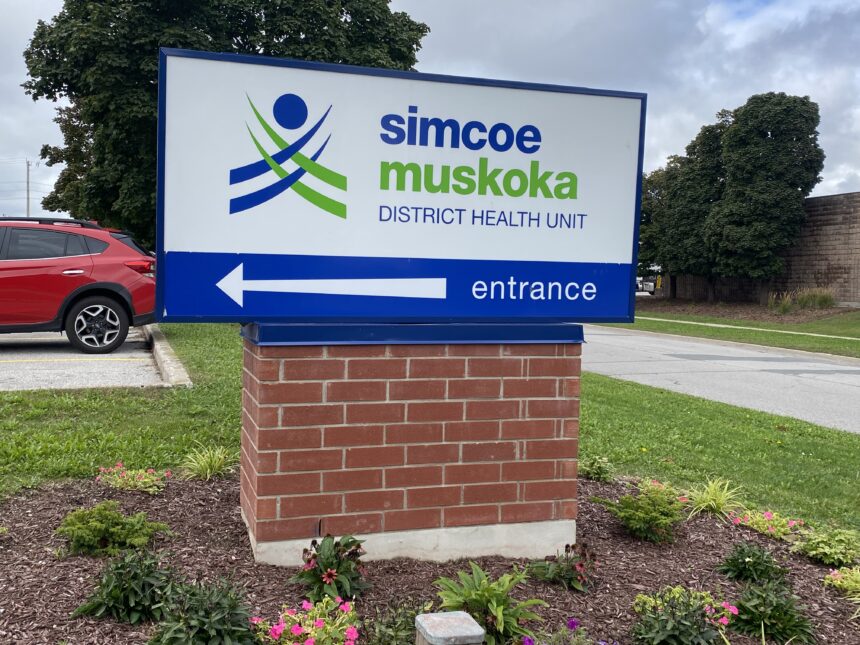
Starting April 7, the Simcoe Muskoka District Health Unit is resuming its school-based vaccine clinics for Grade 7 students who missed doses during the disruptions of recent years. Grade 8 students who never completed their series also get a second chance. The vaccines on offer protect against hepatitis B, meningococcal meningitis, and human papillomavirus, or HPV. These aren’t new shots or experimental treatments. They’ve been part of Ontario’s publicly funded immunization schedule for years, quietly preventing diseases that once filled hospital wards and altered young lives.
I spoke with parents in Barrie last month, and the sentiment was mixed. Some were relieved to have the clinics back in schools rather than scrambling for appointments at pharmacies or clinics. Others wondered why certain vaccines are mandatory while others remain optional. The distinction matters more than it seems. Under Ontario’s Immunization of School Pupils Act, the meningococcal vaccine is required unless a family has a valid medical or ideological exemption. Hepatitis B and HPV vaccines are strongly recommended but not legally enforced. That difference shapes how families make decisions, and how schools track compliance.
Meningococcal disease is rare but severe. It can cause brain swelling, bloodstream infections, and in some cases, death within hours. Adolescents and young adults are at higher risk, partly because of how they live. Shared water bottles, close quarters, late nights, and stress all create conditions where bacteria spread easily. The vaccine reduces that risk dramatically, which is why Ontario lawmakers decided it shouldn’t be optional. Health Canada and the National Advisory Committee on Immunization have long supported routine meningococcal vaccination for adolescents, citing both individual protection and herd immunity benefits.
Hepatitis B, by contrast, is a blood-borne virus that attacks the liver. Chronic infection can lead to cirrhosis or liver cancer decades later. Many people assume it only affects those who inject drugs or have multiple sexual partners, but the virus doesn’t discriminate. It spreads through any contact with infected blood or body fluids, including sports injuries, shared razors, or even dental work in under-resourced settings. Vaccinating children before they reach adolescence means they’re protected before risk behaviors or exposures ever begin. The World Health Organization considers hepatitis B vaccination one of the most cost-effective public health interventions globally, preventing an estimated 1.1 million deaths each year when coverage is high.
Then there’s HPV, which deserves more attention than it typically gets. Most people will be infected with at least one strain of human papillomavirus in their lifetime. In many cases, the immune system clears it without symptoms. But certain high-risk strains cause cervical, throat, anal, and penile cancers, as well as genital warts. The vaccine, introduced in Canada in 2007, targets the strains responsible for roughly 90 percent of HPV-related cancers. A video produced by the North Bay Parry Sound District Health Unit explains how the vaccine works and why timing matters. The immune response is strongest when the vaccine is given before any sexual activity begins, which is why Grade 7 is the ideal window.
I visited a vaccine clinic in Muskoka two years ago, back when schools were just reopening after lockdowns. The nurses worked with quiet efficiency, checking consent forms, preparing syringes, and answering questions from students who wanted to know if it would hurt or how long until they could play soccer again. One girl asked if the shot would make her sick. The nurse explained that mild soreness or fatigue might happen, but serious side effects are extraordinarily rare. She also said something I’ve heard repeated by public health workers across the country: “This is one of the few times we can prevent cancer with a simple shot.”
The return of school-based clinics signals more than just resumed services. It reflects a broader effort to rebuild trust in public health systems that were stretched thin and sometimes inconsistent during the pandemic. Parents who felt overwhelmed by conflicting information or who lost access to routine care are now being invited back into a system that, for all its flaws, still offers some of the most effective disease prevention tools we have. Immunization programs don’t make headlines unless something goes wrong, but they quietly prevent outbreaks that could close schools, hospitalize children, and fracture communities.
The health unit’s website offers a schedule of clinic dates and details about each vaccine, including the diseases they prevent and the recommended doses. Parents can also call the immunization program directly at 705-721-5520, extension 8827, to speak with a nurse. These conversations matter. They allow families to ask questions without judgment, to weigh risks and benefits in the context of their own values and circumstances, and to make informed choices about their children’s health.
What strikes me most about these clinics is how ordinary they are. No grand announcements, no political theater, just nurses with coolers full of vials and a commitment to protecting the next generation from preventable diseases. The students who line up in school gyms this spring won’t remember the name of the nurse who gave them the shot, or the exact date it happened. But years from now, when they don’t develop cervical cancer, or meningitis, or chronic liver disease, the absence of illness will be the quiet legacy of this work. Prevention doesn’t offer dramatic before-and-after stories. It offers futures where certain tragedies simply never arrive.