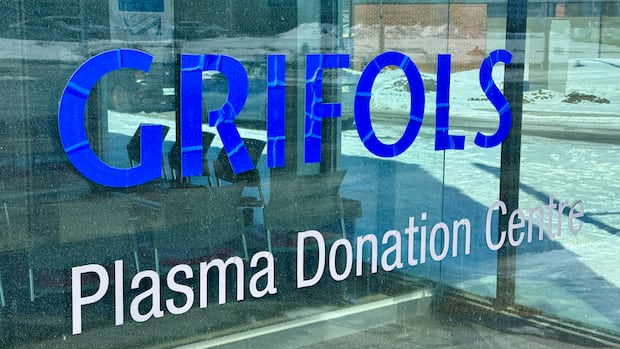
The fluorescent lights hum the same in every plasma clinic. Rows of chairs, needles wrapped in plastic, consent forms on clipboards. For thousands of Canadians—many of them students, newcomers, or people scraping by—these donation centers represent a few extra dollars when rent is due. But after two deaths in Winnipeg and a string of failed inspections, Health Canada is forcing Grifols, one of the largest paid plasma companies in the world, to slow down and fix what regulators are calling systemic problems.
Rodiyat Alabede was twenty-two years old when she died last October. Friends say the international student from Nigeria had donated plasma at the Grifols location on Taylor Avenue in Winnipeg. Less than four months later, another donor died after giving plasma at a different Grifols site in the same city, this one on Innovation Drive. Health Canada confirmed both deaths were reported as fatal adverse reactions. So far, the agency says it has found no direct link between the donations and the deaths. But the reviews are ongoing, and the questions linger.
What has become clear is that Grifols, a Spanish pharmaceutical giant with more than a dozen plasma collection centers across Canada, has been struggling to meet basic safety standards. In January, Health Canada inspected the company’s national head office in Oakville, Ontario. The office doesn’t collect plasma itself, but it oversees all sixteen Canadian sites. What inspectors found was troubling. Donor suitability wasn’t being properly assessed. Errors and accidents weren’t thoroughly investigated. Staff training was insufficient. Operating procedures were being ignored. In some cases, people were allowed to donate even when their medical information suggested the safety of their blood could be compromised.
These are not minor administrative hiccups. They represent what Health Canada called recurring, systemic deficiencies. The kind that accumulate quietly until something breaks.
On Wednesday, the federal regulator announced new terms and conditions that now apply to every Grifols location in Canada. The company must reduce the number of donor appointments to give staff time to follow protocols correctly. It has to reassess how many trained personnel are actually needed at each site. The quality assurance department must review donor eligibility records before anyone is cleared to give again. Newer staff will need extra oversight. And Grifols must conduct an internal audit of all regulated activities each year, documenting any problems and submitting the results directly to Health Canada.
The conditions will stay in place until the company can demonstrate what the regulator calls sustained compliance. That means not just passing one inspection, but proving over time that the fixes are real and lasting.
Plasma donation is different from giving whole blood. The process takes longer, sometimes up to ninety minutes, and involves separating plasma from red blood cells before returning those cells to the donor’s body. It’s more taxing on the system. In Canada, unlike whole blood donation through Canadian Blood Services, plasma can be collected by private companies that pay donors. Critics have long argued this creates a two-tier system that preys on financial vulnerability. Supporters say it meets demand for plasma-based medicines that treat rare diseases, immune disorders, and trauma patients.
But the business model only works if safety standards hold. When companies prioritize volume over care, when staff are undertrained or overworked, when procedures become suggestions rather than rules, donors become vulnerable. And in a system where many donors are already marginalized—students far from home, newcomers without strong language skills, people living paycheque to paycheque—that vulnerability has consequences.
Grifols has not yet responded to requests for comment. Meanwhile, Health Canada confirmed that recent inspections at Grifols sites in Calgary and Regina also resulted in non-compliant ratings. The agency has required corrective actions and says it will continue to monitor progress closely. A spokesperson clarified that the issues identified are not considered critical, though that framing may feel cold to anyone who knew Rodiyat Alabede or the second person who died.
The plasma industry in Canada operates in a strange regulatory space. It’s legal, it’s profitable, and it’s largely invisible to most people who never need to sell their bodily fluids to pay rent. Health Canada has the authority to inspect and enforce, but enforcement is reactive. Inspections happen after problems surface. Conditions are imposed after deaths are reported. The system waits for something to go wrong before it demands better.
What makes this case particularly unsettling is the pattern. Multiple sites. Multiple failures. A head office that couldn’t maintain oversight. A quality management system that, according to inspectors, simply wasn’t managing quality. These aren’t isolated incidents. They suggest a corporate culture where compliance became optional, where growth outpaced capacity, where the people in the chairs became revenue streams rather than patients.
Plasma donors are not patients in the traditional sense, but they deserve the same duty of care. They are undergoing a medical procedure. They are trusting that the company taking their blood knows what it’s doing. And when that trust is broken, when young people die after routine donations, the entire system deserves scrutiny.
Health Canada’s new conditions are a start, but they’re also a reminder of how regulation often works in this country. We wait for harm. We respond with rules. We hope the company complies. And we move on until the next inspection, the next death, the next round of corrective actions.
Rodiyat Alabede came to Canada to study. She was building a life. She should still be here. Until Health Canada’s review is complete, we won’t know exactly what happened in that clinic on Taylor Avenue. But we know enough to ask harder questions about who profits from plasma, who bears the risk, and whether the oversight we have in place is strong enough to protect the people who need it most.