The rain had just cleared when I last visited the Museum of Surrey in early spring. Inside, the smell of cedar and sweetgrass hung in the air from a previous cultural gathering. That scent stays with you. It carries memory, ceremony, and the careful work of hands that know their traditions deeply.
This May, that same space will fill again with those sacred plants, alongside the voices and art of Indigenous creators from across British Columbia. The annual Cedar, Sage & Sweetgrass festival returns to the Cloverdale museum on Saturday, May 2, running from noon until five in the evening. It’s a celebration that has grown quietly but steadily over the years, rooted in community rather than spectacle.
Maryanne Landrie helped found the festival alongside Pat Calihou. Together, they created Cedar, Sage and Sweetgrass as an Indigenous art collective several years ago, with a simple but powerful mission. They wanted to spotlight the talents of Indigenous artists and storytellers, not just as relics of the past but as living, evolving voices shaping culture today. Landrie speaks with genuine warmth about returning to the museum. She calls it a celebration of creativity and community, a chance for artists to share their best work in a space that honors context and connection.
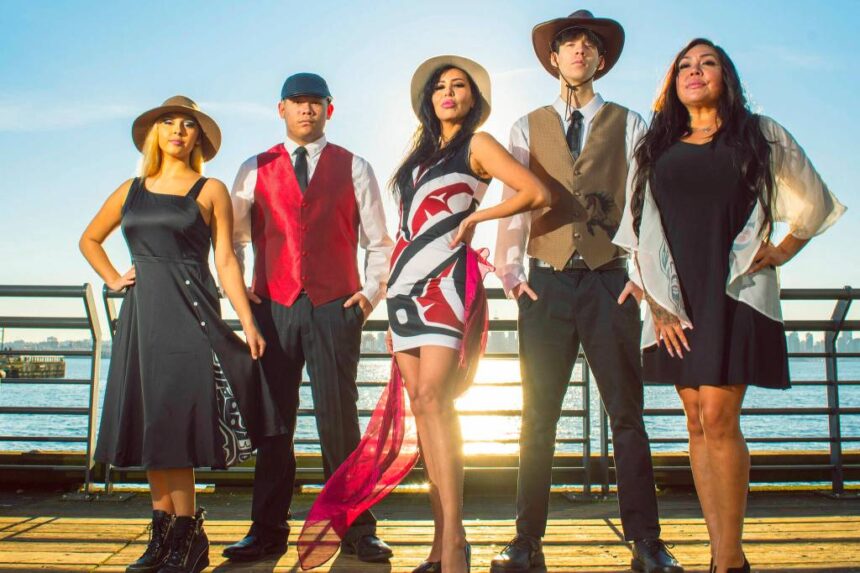
This year brings something new to the festival. Organizers are launching what they’re calling a one-of-a-kind Indigenous fashion show. The runway will feature both traditional designs and contemporary pieces, a visual conversation between ancestral knowledge and modern innovation. Fashion has always been a form of storytelling, and Indigenous designers have long used fabric, beadwork, and natural materials to express identity, resilience, and beauty. Seeing those designs move down a runway, worn and alive, shifts the usual museum experience into something more dynamic.
Beyond the fashion show, the festival marketplace will host a carefully curated selection of Indigenous vendors. Artists like Sandra Murray, Pat Calihou, Kelly Poitras, Aleasha Poetker, and Lynne Barisoff will offer handcrafted art, fashion, and jewelry. Each piece carries the fingerprints of its maker. There’s a difference between mass-produced symbols and work made by someone whose grandmother taught them how to sort beads or cure leather. You can feel that difference when you hold it.
Lynn Saffery, who manages the Museum of Surrey, has welcomed the festival back each spring for years now. She describes it as an all-ages event, which matters more than it might sound. Too often, Indigenous culture gets framed as educational content for children or niche interest for adults. This festival refuses that split. It invites families, elders, young people, and curious visitors into the same space, where learning happens through presence rather than lecture.
Live performances will anchor the day. Music and dance have always been central to Indigenous cultural transmission, passing down stories and values in ways that words alone cannot. Attendees will also have access to traditional food, another layer of connection that grounds the experience in something tangible and nourishing. According to a 2022 report by the British Columbia Arts Council, Indigenous-led cultural events have seen increased attendance and community engagement over the past five years, reflecting a broader shift toward recognizing and supporting First Nations, Métis, and Inuit artists.
The museum itself sits at 17710 56A Avenue in Cloverdale, a part of Surrey that blends suburban sprawl with pockets of green space and community hubs. Admission to the festival is free, which removes one of the most common barriers to access. That decision reflects the values behind the event. Culture shouldn’t be something you have to buy your way into, especially when the culture in question has been suppressed, commodified, and misunderstood for generations.
When you visit a festival like this, you’re not just observing. You’re participating in a form of cultural reclamation. Indigenous artists have long fought for the right to define their own narratives, to create on their own terms, and to be compensated fairly for their work. Events like Cedar, Sage & Sweetgrass offer a counter-model to the extractive practices that have historically dominated Indigenous art markets. Here, artists speak for themselves. They set their prices. They tell their stories without mediation.
I think about the young people who will walk through that marketplace. Some will be Indigenous kids seeing their own culture reflected back with pride and care. Others will be settlers learning for the first time that Indigenous art is not frozen in history but alive and evolving. Both experiences matter. Research from the University of British Columbia’s First Nations House of Learning has shown that cultural events increase both Indigenous youth’s sense of identity and non-Indigenous participants’ cultural competency.
The festival also serves as a reminder that creativity and resilience are inseparable. Indigenous communities across British Columbia continue to face systemic challenges, from land rights struggles to underfunded health and education systems. Yet culture persists. Artists keep making. Dancers keep moving. Storytellers keep speaking. That persistence is not romantic. It’s a deliberate, often exhausting act of survival and renewal.
For anyone interested in attending, the Museum of Surrey can be reached at 604-592-6956 or via museum@surrey.ca. More details are available at surrey.ca/museum. Information about the collective itself can be found on their Facebook page at @cedarsageandsweetgrass.
Mark the calendar for May 2. Arrive early if you can. Walk slowly through the marketplace. Listen to the stories behind the jewelry, the prints, the woven pieces. Let the music settle into your bones. Taste the food. Meet the artists. This is not a performance staged for outsiders. It’s a community gathering that welcomes witnesses, as long as those witnesses show up with respect and openness.
The scent of cedar and sweetgrass will linger long after you leave. That’s the point. Culture is meant to stay with you, to change the way you see and move through the world. One afternoon in May won’t undo centuries of harm, but it can be a beginning. A thread pulled, a conversation started, a connection made.