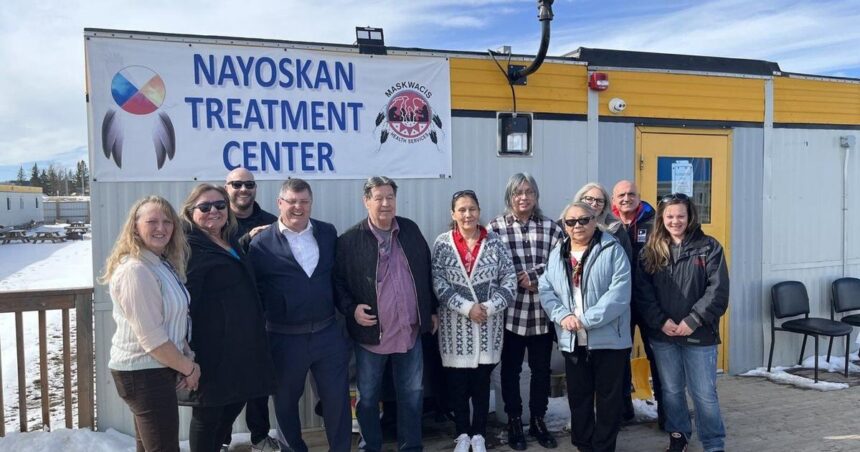
A new treatment facility in Maskwacis is weaving traditional Cree teachings into addiction recovery. The approach offers something conventional detox programs often miss: cultural identity and community connection.
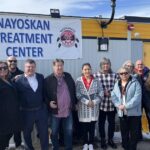
Nayoskan Treatment Centre opened its doors through the Alberta Recovery Model. It serves anyone in the province struggling with alcohol or drug dependency. The 12-bed licensed facility runs a 10-day detox followed by a 28-day rehabilitation program.
Randy Littlechild directs the centre through Maskwacis Health Services. He sees the facility addressing a crisis that touches every corner of the region. “We have a severe alcohol problem and a severe drug problem in our communities,” Littlechild said. His team designed Nayoskan to help people quit drinking and stop using drugs. That work ripples outward, strengthening all four Nations in the area.
The treatment model differs from clinical-only approaches. Clients don’t just withdraw from substances in sterile rooms. They participate in sweat lodge ceremonies twice during their stay. Elders visit weekly, offering guidance rooted in generations of knowledge. Each morning begins with smudge, prayer, and group check-in.
Gilda Soosay manages the centre and shapes its cultural programming. She explained how activities like drum making, beading, and sewing ribbon skirts instill strengths clients didn’t know they possessed. Many arrive disconnected from their heritage. Some aren’t Cree at all, but the teachings are shared openly.
“These activities help instill identity as Cree,” Soosay said. “For clients who are not Cree, we are always open to sharing the teachings.” The goal extends beyond sobriety. Staff want clients to feel respected and valued, recognizing them as future Elders who need health for coming generations.
The program blends ceremony with evidence-based methods. Cognitive behavioural therapy training runs alongside yoga, swimming, and exercise. Clients work on mental wellness while reconnecting with their bodies and spirits. Traditional crafts offer therapeutic benefits that complement clinical interventions.
Soosay emphasized the role of belonging in recovery. Clients attend community events together, building social ties that support sobriety after discharge. Some request spirit names during their stay, a profound step in reclaiming identity. Each program cycle ends with a feast open to the broader community.
“Nayoskan is so much more than just a treatment center,” Soosay noted. Recovery doesn’t happen in isolation. It requires community support from the first day of healing.
The centre’s philosophy rejects shame around relapse. Soosay put it plainly: “There is no shame in making mistakes.” Clients can return as many times as needed to become better versions of themselves. That compassionate approach matters in communities where stigma often prevents people from seeking help.
Staff attitudes shape outcomes as much as programming does. Soosay said her team consists of good-hearted people who choose this work for the right reasons. “If a person is here just for the paycheck, it is futile,” she explained. Staff take pride and joy in supporting recovery journeys.
Rick Wilson serves as Alberta’s Minister of Mental Health and Addiction. He highlighted Nayoskan’s importance for Maskwacis and surrounding areas. “Connection to culture is so important in the recovery journey,” Wilson said. The centre allows people to get help closer to home rather than traveling to distant facilities.
Geographic accessibility matters in rural and Indigenous communities. Long distances to treatment centres create barriers—transportation costs, family separation, and disconnection from support networks. Nayoskan removes those obstacles for many Albertans.
The facility accepts all provincial residents ready to address alcohol or drug use. Intake follows the Alberta Recovery Model’s structured plan. That provincial framework ensures consistent care standards while allowing cultural adaptation at individual centres.
Nayoskan’s 38-day cycle (detox plus treatment) provides time for genuine transformation. Early days focus on physical withdrawal and stabilization. Clients then move into therapeutic work addressing addiction’s psychological and spiritual dimensions. Cultural activities build throughout the stay, offering new coping mechanisms rooted in tradition.
The two sweat lodge ceremonies mark significant milestones. These purification rituals help participants release trauma and negative patterns. Elders guide clients through teachings that connect personal struggles to broader Indigenous experiences of colonization and resilience.
Crafts serve therapeutic purposes beyond simple distraction. Creating drums or ribbon skirts teaches patience and precision. Beadwork demands focus that quiets racing thoughts. Finished pieces become tangible evidence of capability and cultural connection.
Graduation feasts celebrate completion while reinforcing community bonds. Families and neighbours witness clients’ progress, shifting perceptions from judgment to support. Public recognition helps counter the isolation many felt during active addiction.
Littlechild pointed to the need Nayoskan fills across Maskwacis’s four Nations. Addiction doesn’t respect band boundaries. A comprehensive regional response benefits everyone by reducing crime, family breakdown, and health system strain.
The centre represents more than beds and programming. It embodies a philosophy that Indigenous healing requires Indigenous methods. Western medical models have value, but they miss crucial elements for many First Nations clients.
Soosay’s vision positions clients as future Elders. That framing shifts recovery from individual struggle to collective responsibility. Communities need healthy knowledge keepers. Today’s clients become tomorrow’s Elders who guide the next generation.
The facility joins a growing network of culturally focused treatment options across Canada. Research increasingly shows better outcomes when programs incorporate traditional practices alongside evidence-based clinical care. Nayoskan puts that research into daily practice.
Alberta’s recovery landscape includes various approaches. Nayoskan’s cultural foundation serves clients for whom mainstream programs failed. It offers a homecoming of sorts—to sobriety, to community, and to identity.
Staff recognize that recovery takes many tries for some people. The centre’s door remains open regardless of past relapses. That unconditional acceptance can make the difference when shame previously prevented someone from returning for help.
The work happening in Maskwacis demonstrates how addiction treatment succeeds when it honours whole persons. Clients aren’t just bodies to detoxify. They’re Nehiyaw people reconnecting with ceremony, craft, and community. They’re Albertans from various backgrounds finding healing in teachings generously shared.
Nayoskan’s model could inform treatment development elsewhere. Culturally rooted programs don’t just serve Indigenous clients better. They remind everyone that healing involves more than chemistry and neurology. It requires belonging, purpose, and connection to something larger than individual struggle.