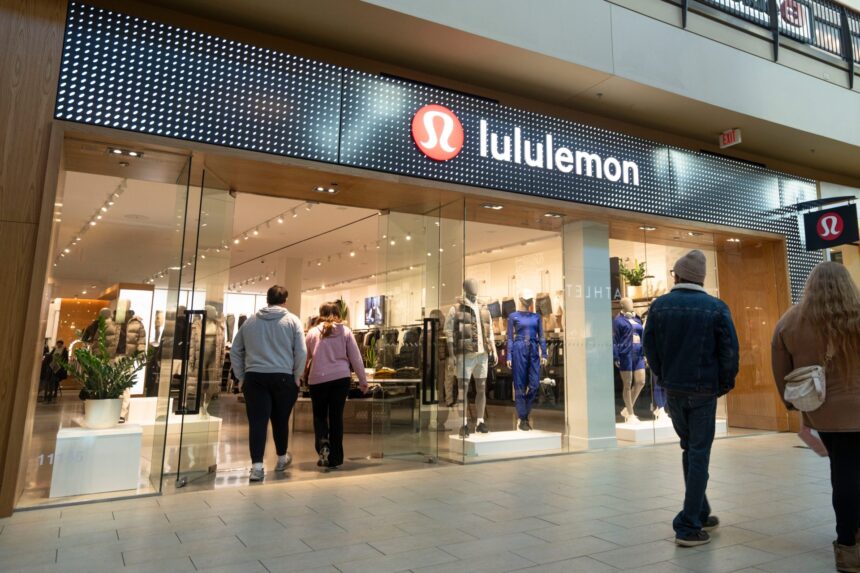
When Lululemon raised the price of its signature leggings last summer, the company blamed tariffs. Now that those tariffs have been ruled unconstitutional, customers want their money back—and they’re not waiting for corporate goodwill to make it happen.
A proposed class action lawsuit filed in late March argues that Lululemon is poised for what lawyers call “double recovery.” The yoga wear giant passed tariff costs onto shoppers through higher prices, then turned around and sued the federal government to reclaim those same tariff payments. If Lululemon wins that separate case and pockets the refund without sharing it with customers, the plaintiffs say, the company profits twice while consumers eat the loss.
The lawsuit centers on a chaotic chapter in trade policy. President Donald Trump imposed sweeping tariffs early in his second term using emergency powers under the International Emergency Economic Powers Act. Companies across the retail and sportswear sectors responded by hiking prices, citing the new import fees. Then in February, the U.S. Supreme Court struck down the tariff program, ruling that Trump had overstepped his legal authority. That decision opened the door for thousands of businesses to demand refunds from the federal government through the Court of International Trade.
Lululemon is estimated to have paid around $240 million in tariffs, according to the complaint. The company announced price increases in June, explicitly tying the decision to tariff costs. But here’s the catch: under U.S. trade law, only the “importer of record” can file for a government refund. That means individual consumers who absorbed the price hikes have no direct way to recover their money, even though the Supreme Court declared the underlying tariffs unlawful.
Justin Nelson, a lawyer with Susman Godfrey who advises companies seeking tariff refunds, explained the structural problem to Front Office Sports. Consumers are the ones who actually bore the financial burden, but they lack any legal mechanism to seek reimbursement from the government. The company that paid the tariffs upfront is the only party with standing to file a claim. So unless Lululemon voluntarily returns a portion of its refund to customers, shoppers are stuck.
The Michigan lawsuit includes four named plaintiffs and claims the class totals more than 100 people, with collective damages exceeding $5 million. The plaintiffs argue they had no choice but to sue because Lululemon has made no public commitment to share any refund it receives. The complaint frames this as a matter of fairness. If the company recoups hundreds of millions from the government while keeping the price premiums it collected from shoppers, it effectively profits from an illegal tax.
Lululemon isn’t alone in facing this legal challenge. FedEx was hit with a similar proposed class action in Florida in late February, and Costco customers filed their own suit in Illinois in mid-March. The pattern is clear: consumers are racing to stake a claim before companies cash their refund checks. Other major sportswear brands, including Reebok, On Holdings, Skechers, and Peloton, have also filed lawsuits against the government to recover tariff payments, though it’s unclear whether they’ll face consumer suits of their own.
The legal path forward is anything but smooth. Although the Supreme Court invalidated the tariffs, no refunds have actually been issued yet. Nelson previously told Front Office Sports that the government shows no sign of simply writing checks without a fight. Officials have suggested the claims process could drag on for years, a timeline that may be designed to discourage businesses from pursuing refunds at all. That delay complicates the consumer lawsuits, since plaintiffs are effectively asking for a share of money that hasn’t yet materialized.
Meanwhile, Lululemon is juggling internal pressures alongside the tariff dispute. Chip Wilson, the company’s founder, launched a board challenge last December, arguing that leadership needs a major overhaul. Wilson left the board in 2015 but reportedly still holds about 9% of the company’s shares, making him the second-largest stakeholder after Vanguard Group. His campaign reflects broader concerns about Lululemon’s strategic direction and governance.
Earlier this month, the company responded by appointing Chip Bergh, former CEO of Levi Strauss, to the board in place of David Mussafer. Wilson praised the move but made it clear he sees it as insufficient. He called out what he described as persistent governance failures that require more than a single new director to fix. His tone suggested he’s prepared to keep pushing for additional changes.
Lululemon’s financial performance adds context to the pressure. The company posted net revenue of $11.1 billion for 2025, a 5% increase over the prior year. For 2026, it expects revenue between $11.35 billion and $11.5 billion, a forecast that came in slightly below what analysts had projected. Those numbers aren’t disastrous, but they hint at slowing momentum in a competitive market where brands like Alo Yoga and Vuori are gaining ground.
The tariff lawsuit could become a significant reputational test. Lululemon has cultivated an image around community, wellness, and values-driven commerce. That brand identity doesn’t square easily with the optics of collecting a massive government refund while customers who paid inflated prices get nothing. Whether the company chooses to share its windfall—or is forced to by the courts—will send a signal about how it balances shareholder interests against customer goodwill.
For now, the Michigan case is in its early stages, and Lululemon has not publicly commented on the lawsuit. The company’s legal team will likely argue that it acted within its rights, that pricing decisions are protected business judgments, and that there’s no legal obligation to pass refunds along to customers. Those arguments may be technically sound, but they leave unresolved the question of whether sound law makes for sound business.
What’s playing out here is bigger than one retailer. It’s a stress test for how companies handle the fallout from government policy reversals. When a tax or tariff gets overturned, who deserves to be made whole? The business that paid it, or the consumer who funded it through higher prices? U.S. trade law currently answers that question in favor of the importer, but these lawsuits are testing whether contract law, consumer protection statutes, or principles of unjust enrichment might tip the balance the other way.
The outcome will likely hinge on whether courts find that Lululemon’s price increases created an implicit obligation to return refunds, or whether the company’s pricing decisions remain insulated from claims tied to government reversals. Either way, the case underscores a gap in the system: consumers bear economic risk without legal recourse, while companies control both the pricing lever and the refund pipeline.