The provincial transit agency responsible for building Ontario’s rail network added six more vice-presidents last year, pushing its executive count to 124. That’s the same number of seats in the legislature at Queen’s Park.
Metrolinx now employs as many VPs as there are MPPs representing ridings across the province. The average salary for those positions hit $248,000 in 2025, according to Ontario’s sunshine list. That’s up from $243,000 the year before and $237,000 in 2023.
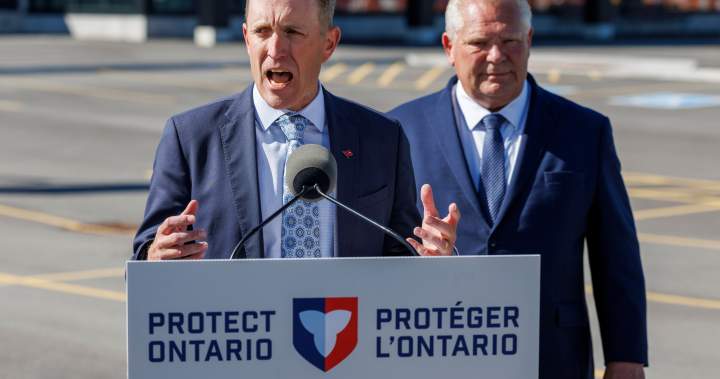
NDP Leader Marit Stiles didn’t mince words when asked about the growth. She called the spending out of control, despite government promises to rein things in. “The premier keeps giving himself and his friends raises,” she said during a recent scrum. “And yet what do we have for it? Life has become and continues to be completely unaffordable for Ontarians.”
The uptick marks a stumbling block for Metrolinx CEO Michael Lindsay. He took over from Phil Verster just over a year ago with a clear mandate: cut consultant spending, shrink the legal battles, and slim down the leadership ranks.
Lindsay did manage to shed more than 400 consultants during his first year. The agency says that move saved $100 million. But here’s the catch: some of those consultants didn’t just disappear. They came back as full-time senior staff, complete with VP titles and six-figure compensation packages.
In an interview earlier this year, Lindsay framed the shift as a win. He said bringing those consultants in-house meant keeping their expertise without the markup. “I’m delighted to say, converting to be Metrolinx full-time employees, bringing their subject matter expertise in a durable way to this region,” he explained.
The math tells a more complicated story. Yes, the consultant budget dropped. But the payroll for top brass went up. Six new vice-presidents joined the ranks between 2024 and 2025. That’s actually slower growth than the year before, when 36 VP positions were added.
It’s worth noting the sunshine list can be misleading. If a VP leaves mid-year and a replacement starts before December, both salaries might appear if they each crossed the $100,000 threshold. Severance packages for departing executives can also inflate the numbers.
Metrolinx defended the move in a written statement. The agency pointed to the $100 million in savings and emphasized it was building in-house capacity while delivering what it called the largest transit expansion in Ontario’s history. “We are strengthening in house expertise and reducing reliance on hundreds of third-party contractors,” the statement read.
The political optics remain tricky. Transit riders across the Greater Toronto and Hamilton Area have endured years of delays, cost overruns, and service disruptions. Meanwhile, the agency’s leadership payroll keeps climbing. That’s a tough sell in a province where housing costs, groceries, and gas prices dominate kitchen-table conversations.
Lindsay inherited an organization with a reputation for expensive missteps. Under Verster, Metrolinx became known for legal fights with contractors and a revolving door of consultants. The Eglinton Crosstown LRT, originally slated to open in 2020, remains unfinished. Riders on the GO network still face overcrowding and inconsistent service.
The question now is whether converting consultants to permanent staff will actually improve delivery. Consultants cost more per hour, but they can be dropped when projects wind down. Permanent executives come with pensions, benefits, and long-term obligations. If the projects they’re hired to manage fall behind schedule (or over budget), the agency is stuck with the bill.
There’s also a broader issue at play. Metrolinx is a Crown corporation, funded by provincial taxpayers. Its budget comes from the same pot that pays for schools, hospitals, and social services. When executive compensation grows faster than transit service, voters notice.
Opposition critics have been hammering the government on Metrolinx spending for months. Stiles isn’t alone in raising concerns. Municipal leaders in the 905 belt have also questioned whether the agency’s bloated management structure is slowing down project timelines.
Lindsay’s defenders argue he’s cleaning up a mess he didn’t create. Cutting 400 consultants in one year is no small feat. Bringing some of that expertise in-house could, in theory, lead to better project continuity and fewer knowledge gaps when contracts expire.
But the optics matter in politics. And right now, the optics aren’t great. An agency with 124 vice-presidents doesn’t scream efficiency, even if the underlying financials tell a different story. Voters struggling to afford rent or groceries aren’t likely to sympathize with salary bumps for transit executives.
The real test will come in the next year. If Metrolinx can finish major projects on time and on budget, the expanded leadership team might look justified. If delays continue and costs balloon, those 124 VP salaries will be hard to defend.
For now, the numbers speak for themselves. More executives, higher salaries, and a public that’s running out of patience.