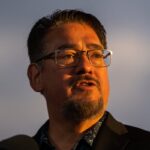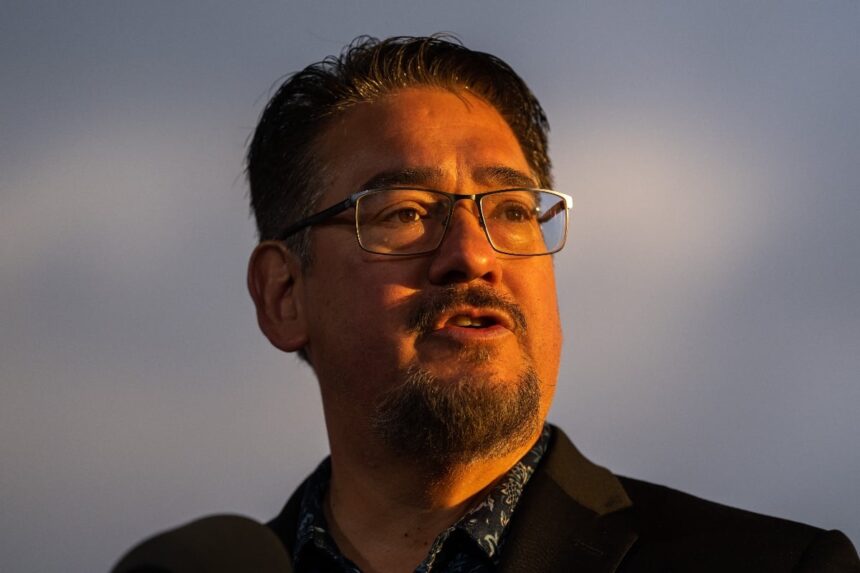
Robert Phillips stood before reporters with the kind of restrained frustration you only see when someone feels a promise is about to break. The First Nations Summit leader didn’t mince words. The proposed changes to British Columbia’s Declaration on the Indigenous Peoples Act would take a sledgehammer to legislation that once seemed like a turning point.
Phillips used the word “gut.” That’s not a term you drop lightly in political circles. It means more than revision or adjustment. It signals destruction from the inside out.
The legislation in question—commonly called DRIPA—was supposed to be different. Passed with fanfare, it aligned provincial law with the United Nations Declaration on the Rights of Indigenous Peoples. It promised a new relationship. It was hailed as a framework for reconciliation built on respect, not rhetoric.
Now, according to Phillips, that framework is under threat. He says the amendments would roll back decades of progress between the province and First Nations. The timing matters. Premier David Eby is set to meet with First Nations leaders on Thursday. The atmosphere heading into that meeting is tense.
Eby has defended the proposed changes publicly. His argument centers on governance. He believes elected MLAs, not courts, should steer reconciliation efforts. It’s a position that sounds reasonable in isolation. Lawmakers make laws. Courts interpret them. That’s the basic architecture of democracy.
But Phillips and other First Nations leaders see it differently. They argue the amendments undermine the very principles DRIPA was built on. The Canadian Press obtained a draft of the proposed changes. Phillips is bound by a non-disclosure agreement and can’t discuss specifics. That silence itself tells a story. When people can’t talk about policy details, it usually means those details are sensitive.
What Phillips can say is stark. First Nations are weighing their options. Litigation is on the table. So are street protests. Those aren’t idle threats. Indigenous communities in BC have a long history of mobilization when they feel their rights are at stake.
Phillips also pointed to something more symbolic but no less powerful. He mentioned Indigenous MLAs in the legislature facing their own “Elijah Harper moment.” That reference carries weight. Harper was the Indigenous politician in Manitoba who famously voted against the Meech Lake Accord in 1990. His vote helped kill a package of constitutional amendments. It was a defining act of political courage. Harper stood alone and changed history.
The comparison is deliberate. Phillips is signaling that Indigenous legislators may soon face a similar choice. Support amendments that their communities oppose, or stand firm and risk political fallout. It’s the kind of pressure that can fracture coalitions and test loyalties.
First Nations leaders say they don’t want to trigger an election. That’s worth noting. It shows a level of pragmatism. They’re not looking to blow up the government. But they’re also clear. The future of DRIPA is non-negotiable. Phillips called it a “defining moment” in BC’s history. He’s hoping Eby pulls back.
The premier hasn’t budged yet. His office insists the changes are necessary. The argument is that DRIPA, as currently written, gives too much power to the courts. Eby’s team wants elected officials to have more control over how reconciliation unfolds. They say it’s about accountability. Voters can replace MLAs. They can’t replace judges.
There’s logic to that position. Democratic accountability matters. But First Nations leaders counter that reconciliation isn’t just a policy file. It’s a legal and moral commitment rooted in rights that predate Confederation. Handing more power to legislators, they argue, risks turning those rights into political bargaining chips.
The tension here is structural. DRIPA was designed to limit government discretion. It set standards. It created obligations. The whole point was to move beyond the old system where Indigenous rights were subject to political whims. Now, some fear, those whims are creeping back in.
Phillips’ language—sledgehammer, gut, turn back the clock—reflects deep alarm. These aren’t the words of someone worried about minor tweaks. They’re the words of someone who sees foundational change being undone.
It’s still unclear when MLAs will actually see the amendments. That’s another source of frustration. Policy changes affecting Indigenous rights are being developed behind closed doors. The non-disclosure agreements mean even those who’ve seen the draft can’t share details publicly. Transparency, at least for now, is limited.
Thursday’s meeting between Eby and First Nations leaders will be crucial. It’s a chance for dialogue. But it’s also a potential flashpoint. If the premier doesn’t shift course, the situation could escalate quickly. Litigation takes time. Street protests don’t.
There’s also the question of how Indigenous MLAs will respond. Will they follow Harper’s example and vote against their own government? That would be extraordinary. It would also put immense pressure on Eby’s ability to govern. The NDP majority isn’t huge. Losing Indigenous caucus members on a key vote could create real problems.
Phillips has left the door open. He’s hoping for a different outcome. He wants Eby to reconsider. That hope, though, is paired with preparation. First Nations are ready to fight if they have to.
The stakes are high. DRIPA was supposed to be a new chapter. If it gets rewritten over Indigenous objections, that chapter closes before it really began. And the trust required to open another one may take decades to rebuild.