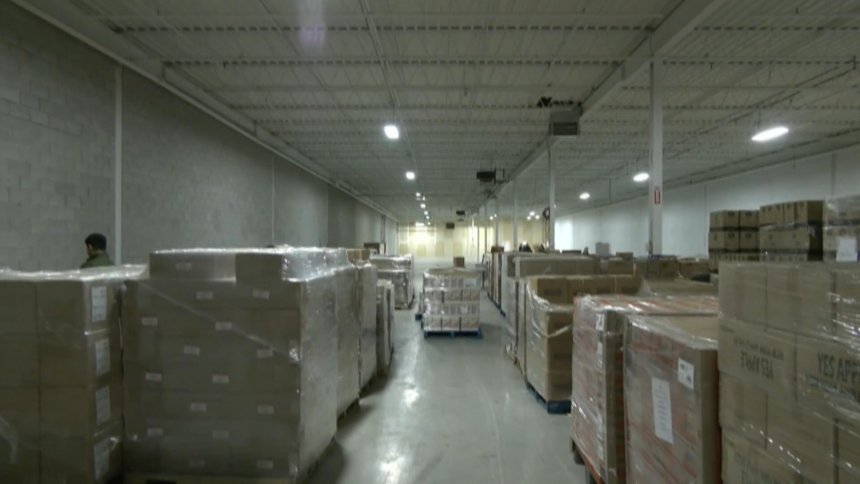
The smell of fresh bread still hung in the air when the announcement came through. Staff at North York Harvest Food Bank gathered in the cramped warehouse on a Tuesday morning, unsure what to expect. What they heard changed everything. A record donation was coming their way, one large enough to reshape how the organization serves thousands of families across one of Toronto’s most diverse communities.
Executive Director Angela Chen stood beside pallets of canned goods and called it transformational. She wasn’t exaggerating. The funding will allow the food bank to expand into a full community food hub. That means more than just handing out groceries. It means cooking classes, nutrition workshops, and garden plots where families can grow their own vegetables.
Food insecurity has climbed sharply across the Greater Toronto Area since 2022. North York Harvest has seen demand double in less than three years. More working families now line up each week. Single parents juggle two jobs and still can’t cover rent and food. Seniors on fixed pensions skip meals to pay for medication. The numbers tell a hard story, but the faces tell it better.
Chen said the donation will let them meet people where they are. Right now, the food bank operates out of a single location. Clients travel by bus, sometimes for over an hour, to pick up a hamper. The new funding will support satellite hubs in neighborhoods where transit access is thin. It will also fund refrigerated trucks to deliver fresh produce directly to apartment buildings and community centers.
The donor has not been publicly named. What’s known is that the gift came from a private foundation with ties to the Toronto business community. The amount has not been disclosed either, but internal documents suggest it exceeds seven figures. That kind of money doesn’t come around often for grassroots organizations operating on tight margins.
Mike Walker, a longtime community advocate and board member at the food bank, called the donation a lifeline. He has spent years watching need outpace resources. Walker said this funding will allow the organization to think beyond emergency relief. It creates space to address root causes, like lack of access to affordable healthy food and the knowledge to prepare it.
Walker pointed to a gap that often gets overlooked. Many newcomers to Canada arrive with limited English and no familiarity with local food systems. They don’t know where to shop affordably or how to navigate discount grocery chains. The food hub model will include peer-led sessions in multiple languages. Volunteers who once relied on the food bank themselves will teach others how to stretch a grocery budget and cook nutritious meals on limited income.
The timing matters. Federal social policy has been under pressure as inflation continues to squeeze household budgets. Programs like the Canada Child Benefit and the GST credit have helped, but they haven’t kept pace with rising costs. Housing eats up more of every paycheck. Grocery prices remain stubbornly high, even as some supply chain issues ease. Food banks across the country are reporting record usage.
Statistics Canada data from late 2025 showed that nearly one in five households experienced some level of food insecurity over the previous year. In urban centers like Toronto, that figure climbs higher. North York, with its mix of high-rise rental towers and aging suburban subdivisions, reflects that pressure. Families that once donated now come in as clients.
The food bank’s plan includes partnerships with local farmers and community gardens. Fresh produce is expensive and often the first thing to disappear from a tight budget. By sourcing directly from growers in the region, the organization hopes to offer more fruits and vegetables without relying solely on donations from big grocery chains. Those donations are unpredictable and often come with short expiry dates.
Chen emphasized dignity in the design. The new hub won’t feel like a warehouse. It will have a welcoming front entrance, a community kitchen, and seating areas where people can talk and connect. Volunteers are being trained to ask fewer questions and offer more support. The goal is to remove the shame that too often comes with asking for help.
Provincial funding for food security programs has remained flat in recent budgets. Municipal governments have stepped up with small grants, but they can’t fill the gap alone. That makes private donations like this one even more critical. Walker noted that while government support is essential, community-led solutions often move faster and adapt better to local needs.
The food bank will also hire additional staff. Right now, most of the operation runs on volunteers. They show up faithfully, but turnover is high and training takes time. Paid positions will bring stability and allow for better coordination with other social services. Chen wants to connect clients with housing support, mental health resources, and job training programs.
There’s also talk of a community garden on unused land behind the current building. Raised beds would be managed by volunteers and clients together. Produce grown there would go directly into hampers. It’s a small step, but it builds connection. People feel less like recipients and more like participants.
Not everyone sees food banks as the solution. Some critics argue they let governments off the hook. If charities fill the gap, politicians feel less urgency to tackle poverty through policy. Walker doesn’t disagree entirely, but he says people need to eat today. Advocacy for systemic change can happen alongside immediate relief.
The donation won’t solve food insecurity in North York. It won’t fix the housing crisis or raise wages. But it will give thousands of families a steadier footing. It will create space for learning, connection, and hope. And in a city where the cost of living pushes people further to the margins every month, that counts for something.
Chen said they hope to break ground on the hub expansion by late spring. Permits are in progress and architectural plans are being finalized. If all goes smoothly, the first satellite location could open before the end of 2026. Until then, the work continues as it always has. One hamper at a time. One family at a time.