The email arrived in early March, brief and bureaucratic. Peter Pokorny, deputy minister of energy and climate solutions, informed staff that British Columbia’s Climate Action Secretariat would be dissolved. Some would join a new climate division. Others would shift to different work entirely: supporting liquefied natural gas projects, pipeline development, and hydraulic fracturing operations.
At least ten former climate policy staffers are now working on fossil fuel expansion, according to internal communications. It’s a quiet reversal in a province that once positioned itself as Canada’s climate leader.
The secretariat wasn’t just another government office. Launched in 2007 under Premier Gordon Campbell, it was designed to float above individual ministries, ensuring climate considerations shaped decisions across transportation, housing, energy, and economic planning. For a time, it worked. British Columbia introduced North America’s first broad-based carbon tax. Municipalities committed to carbon neutrality. Rebate programs sprouted for electric vehicles and home retrofits.
Then came the lull. Premier Christy Clark froze many programs and reassigned secretariat staff to emissions policies for liquefied natural gas. The agency limped along, its mandate diminished.
In 2017, the NDP government promised renewal. CleanBC emerged as an ambitious roadmap: forty percent emissions cuts by 2030, zero-emission vehicle mandates, electrification of industrial operations, and methane reduction targets. The secretariat grew again, managing incentives funded by carbon tax revenue and coordinating with First Nations and local governments.
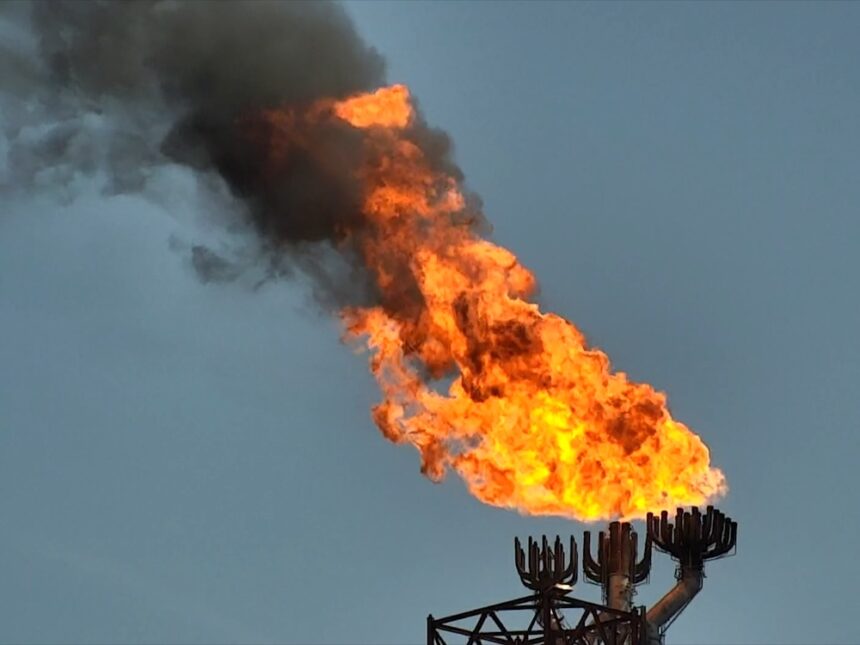
Now, with four years left until that 2030 deadline, provincial emissions are climbing. Fracking operations have expanded across northeastern B.C., and the government acknowledges its target is out of reach.
Sven Biggs, campaign director for Stand.earth, described the secretariat’s dissolution as the “slow-motion death” of CleanBC. “We don’t have a plan to meet our 2030 target, and we’re not trying to develop one,” he said.
The Ministry of Energy and Climate Solutions disputes the characterization. In a statement, officials called the change a “reconfiguration,” not an elimination. The secretariat has merged with the Energy Decarbonization Division to form a new Climate Solutions Division, they explained, bringing together policy, program delivery, and decarbonization expertise in a more integrated structure.
CleanBC remains in place, the ministry insists, along with existing climate legislation and regulations. The reorganization supports climate action while growing the economy, officials said, reflecting the need for disciplined choices within the public service.
Questions about Deputy Minister Pokorny’s email went unanswered by press time.
British Columbia isn’t alone. Vancouver quietly closed its sustainability department this month, the unit responsible for the city’s zero-emission building program and core climate policies. City officials described it as a targeted reorganization, with staff redistributed to embed planning and policy decisions more directly within other departments.
Councillor Pete Fry wasn’t buying it. “They have effectively eliminated the sustainability department without saying as much,” he said, calling the city’s explanation “a bit of a spin.”
Vancouver, like the province, is failing to meet its emissions reduction commitments. The city aimed for a fifty percent cut by 2030. Current projections suggest that won’t happen.
Biggs called Vancouver’s cuts devastating, given progress on green buildings. But he believes the provincial decision carries even broader consequences. “It is shocking how quickly things have changed on the provincial level,” he said.
British Columbia’s climate journey has been a roller coaster. Campbell’s 2007 throne speech warned that climate change was “literally threatening life on Earth as we know it.” He placed the secretariat within the Office of the Premier, ensuring its work would span all government functions.
The 2008 green budget followed, launching the consumer carbon tax, industrial emission programs, and rebates the secretariat would manage. Local governments were required to become carbon neutral, reducing and offsetting their emissions.
Clark’s tenure brought retrenchment. She moved the secretariat from the premier’s office to the Ministry of Environment, stripping it of influence. Programs were frozen or scrapped. Climate ambition cooled.
John Horgan’s 2017 election victory revived momentum. CleanBC promised major policy shifts on buildings, vehicles, landfills, and industrial emissions. The secretariat’s staff expanded, its mandate broadened. Carbon tax revenue flowed toward climate incentives like home retrofits.
In 2024, Premier David Eby restructured again, moving the secretariat into the newly formed Ministry of Energy and Climate Solutions. The ministry now oversees both emissions reduction and fossil fuel expansion.
Kathryn Harrison, a political science professor at the University of British Columbia, sees logic in pairing climate and electricity, given electrification’s importance. But she warns of imbalance. “The downside of merging them is that energy, a ministry that brings a lot of money in and creates jobs, dominates the climate side,” she said. “I think we are seeing a lot of that happen.”
Many CleanBC initiatives have been watered down or abandoned. Eby’s 2025 decision to cut the consumer carbon tax and its associated incentives marked a turning point. With funding and mandate depleted, the secretariat’s purpose faded.
“The purpose of the climate secretariat was CleanBC implementation, and effectively, there is no more implementation of CleanBC policies,” Biggs said. A few core activities remain as legislated requirements: the carbon-neutral government program, the industrial carbon-pricing system, emissions accounting.
Last year, as part of an agreement with the BC Greens, the province commissioned a CleanBC review. Climate experts Merran Smith and Dan Woynillowicz highlighted the plan’s shortcomings and called for ambitious but achievable new targets reflecting current emissions. They warned that liquefied natural gas expansion could further hamper electrification efforts and emissions reduction.
The Ministry of Energy and Climate Solutions said it is carefully reviewing the panel’s recommendations to ensure British Columbia’s climate plan reflects current economic, social, and global realities. Any next steps will focus on affordability, reliability, and long-term results for people, communities, and the economy.
Without the secretariat, Biggs worries about the province’s capacity to reverse course. Incentives are gone. New regulations would be needed to control emissions. “It seems very unlikely that any of those new policies are even going to get developed,” he said. “I think this puts the final nail in the coffin of CleanBC.”