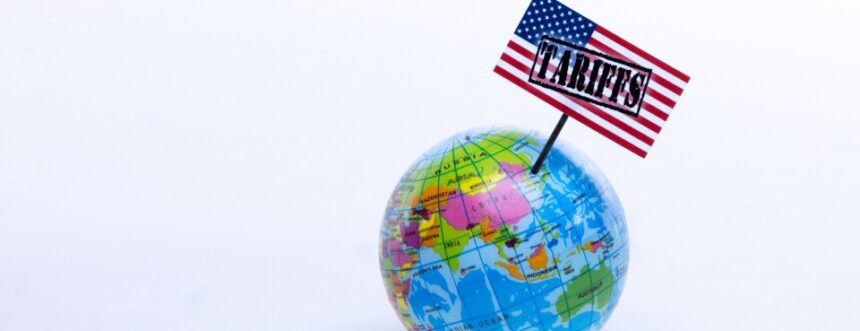
Article – I watched the scramble happen in real time. February’s Supreme Court ruling against Trump’s emergency tariffs should have been a decisive legal blow. Instead, within hours, the president pivoted to Section 122 of the Trade Act of 1974—a dormant statute no president had ever activated. A 10% levy hit nearly all imports by month’s end. It was audacious, legally creative, and entirely temporary. The real story wasn’t the emergency patch. It was what came next.
Trump’s team wasn’t improvising. They were buying time to build something more durable. Section 122 carries a 150-day expiration unless Congress intervenes. That clock runs out in July. But the administration has already laid groundwork for tariffs that don’t sunset—tariffs rooted in statutes with investigative depth, procedural armor, and decades of judicial deference. I’ve covered trade wars from Brussels to Beijing. This isn’t reactive policy. It’s strategic escalation.
The tools Trump is wielding—Section 301 and Section 232—aren’t new. But their scale and velocity are unprecedented. Section 301 targets unfair trade practices. Section 232 invokes national security. Both require investigations, public comment periods, and factual justification. Neither can be imposed by presidential fiat alone. That procedural rigor makes them harder to challenge in court. And Trump is deploying them faster than any president in modern history.
Between 2001 and 2017, there were only four Section 301 cases. None resulted in lasting tariffs. The George W. Bush and Barack Obama administrations preferred negotiation over confrontation. Even a brief 2009 tariff on Canada was lifted within weeks after bilateral talks. The pattern was consistent: initiate, investigate, resolve diplomatically. Tariffs were leverage, not policy.
Trump’s first term shattered that norm. He launched six Section 301 investigations—more than the previous 16 years combined. Three ended in tariffs. Biden inherited the framework but used it cautiously, initiating three investigations that stalled or settled. The second Trump administration has no such hesitation. So far, the U.S. Trade Representative has initiated five Section 301 investigations targeting excess manufacturing capacity in 15 countries, including China, India, and the European Union. Another set of probes examines forced labor in 60 economies, including Canada and Mexico. The administration also revived a dormant investigation into China’s Phase One trade agreement compliance. That’s aggressive even by Trump’s own standards.
Section 232 tells a similar story, but with sharper acceleration. Historically, it’s been rare. Between 1962 and 2016, there were 26 investigations total. Only one occurred between 2001 and 2016. Crucially, none resulted in tariffs before Trump’s first term. The statute sat mostly unused, a Cold War relic about national security and industrial capacity. Trump activated it eight times in his first term—nearly a third of all Section 232 cases in history. None of his predecessors had ever used it to impose tariffs. He did, repeatedly.
This term, the pace has doubled. The Commerce Department initiated 12 Section 232 investigations in 2025 alone. Five have concluded. Four produced tariffs. One ended in negotiated settlements. Seven remain open. Trump also expanded earlier tariffs on steel, aluminum, and automobiles—measures that faced legal challenges but survived. The difference between Section 232 and the emergency statute struck down by the Supreme Court is procedural depth. Investigations take months. They compile data on domestic production, import dependency, and strategic risk. That record insulates them from judicial review.
I spoke with trade attorneys in Washington and Brussels. The consensus is blunt: these tariffs are legally durable. Unlike the emergency declaration that collapsed in Learning Resources v. Trump, Sections 301 and 232 have statutory frameworks, agency investigations, and decades of precedent. Courts have historically deferred to executive judgment on national security and unfair trade. Challengers face steep burdens of proof. Twenty-four states have sued over the Section 122 tariffs, but those expire in July anyway. The real battles will be over Section 232 and 301—and those cases will likely fail.
The economic impact is already visible. According to the International Monetary Fund, global trade flows are shifting as exporters reroute supply chains to avoid U.S. tariffs. Vietnam and Mexico are absorbing manufacturing previously destined for China. The Peterson Institute for International Economics estimates the combined tariffs could raise consumer prices by 1.2% over two years. But the administration views that as acceptable collateral damage. During Trump’s February State of the Union address, he doubled down, declaring tariffs would remain through “fully approved and tested alternative legal statutes.” He mentioned Sections 232 and 301 by name. It wasn’t a contingency plan. It was a roadmap.
What makes this moment unusual isn’t the legal theory. It’s the volume and speed. Trump has initiated 31 investigations under these statutes across two terms. That’s more than double the combined total of all 21st-century presidents before him. Seventeen investigations were launched in 2025 alone. The machinery is accelerating. Each investigation takes six to twelve months. That means tariffs from current probes will roll out through 2026 and beyond. Even if some are settled diplomatically, the pattern is clear: tariffs are policy, not leverage.
I’ve reported from zones where trade wars turn into real ones. The danger isn’t just economic. When tariffs target strategic industries—semiconductors, rare earths, pharmaceuticals—they harden geopolitical blocs. China is already retaliating with export controls on critical minerals. The European Union is drafting countermeasures. Canada and Mexico, longtime allies, are recalibrating their dependence on U.S. markets. The World Trade Organization, weakened and under-resourced, has little power to mediate. We’re moving toward a fragmented trading system where reciprocity replaces multilateralism.
There’s a broader question here about democratic accountability. Section 232 and 301 investigations happen within the executive branch. Congress has oversight authority but rarely exercises it. Courts defer unless procedures are flagrantly violated. That leaves tariff policy largely insulated from checks and balances. The temporary Section 122 tariffs required no congressional approval. The permanent ones won’t either. Voters may support or oppose tariffs, but they have limited electoral recourse between presidential cycles. The architecture of trade law concentrates power in the executive. Trump is exploiting that concentration to its fullest extent.
The July deadline looms. When Section 122 tariffs expire, expect Section 232 and 301 replacements to be ready. The investigations are already underway. The legal infrastructure is in place. And unlike the emergency tariffs struck down in February, these won’t be vulnerable to Supreme Court challenge. They’ll reshape trade relationships for years, long after this administration ends. That’s the story—not the court ruling, but the pivot that followed. Trump lost a battle in February. He’s winning the war.