A two-day gathering in Saskatchewan will bring together voices from across the country to talk about getting young people active, healthy, and connected to culture.
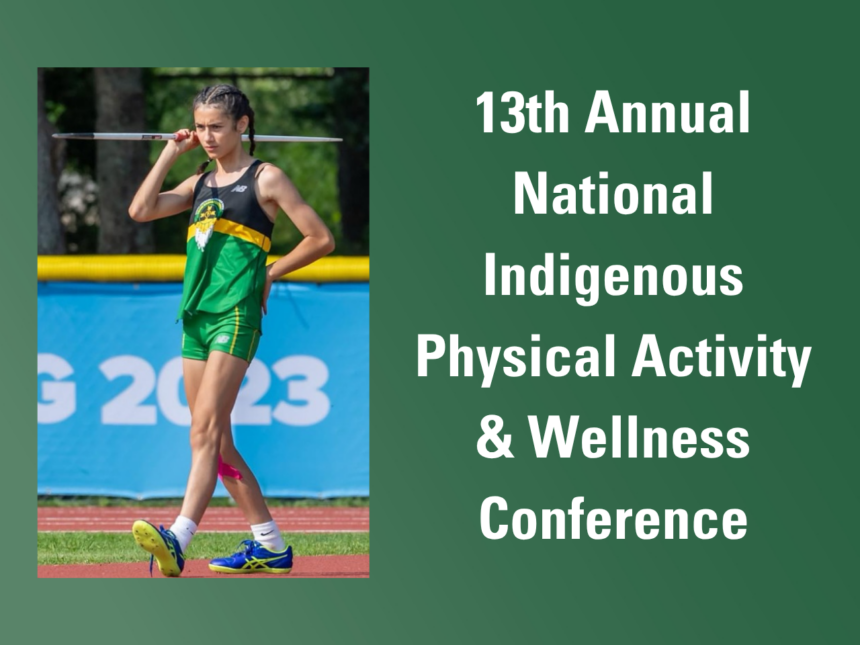
The 13th Annual National Indigenous Physical Activity & Wellness Conference returns to Whitecap Dakota First Nation territory this May. Organizers say they expect it to be the largest gathering yet focused on sport and wellness for First Nations, Métis and Inuit communities. This year’s theme centers on motivating youth to take part in sport and traditional activities.
It happens May 15 and 16 at Dakota Dunes Resort. People can attend in person or join virtually from anywhere in the country.
More than 30 speakers will share how Indigenous knowledge and community practices can strengthen wellness. The focus on youth marks a shift from previous years. Conference planners want to create space for real talk about how sport can uplift young people while honoring traditional ways of staying active.
Sport has always been more than competition in Indigenous communities. It connects people to land, culture, and each other. But getting youth involved isn’t always simple. Barriers like funding gaps, lack of facilities, and distance from programs remain real challenges in many communities.
Sask Sport, the provincial body coordinating the event, has been working with Indigenous partners to build programming that reflects community needs. They’ve seen growing interest in blending western sport models with traditional physical activities like canoeing, snowshoeing, and dance.
The conference attracts coaches, recreation coordinators, health workers, and community leaders. Many come from rural and remote areas where resources are scarce. They’re looking for practical ideas they can take home and use right away.
Youth engagement has become a policy priority across levels of government. Ottawa announced new funding last year aimed at increasing Indigenous youth participation in sport. Provincial programs have followed with their own commitments. But money alone doesn’t solve the problem if programming doesn’t fit the community.
Speakers at the conference will address how to design programs that work for Indigenous youth. That means understanding what motivates them, what holds them back, and how culture can be woven into activity. It also means listening to young people themselves about what they want.
Traditional activities offer a pathway many communities are exploring. These practices carry cultural meaning that organized sport sometimes lacks. They also happen on the land, which strengthens connection to territory and traditional knowledge. Elders often play a role in teaching, which builds intergenerational bonds.
But there’s also room for hockey, basketball, soccer, and other popular sports. The key is making sure programs are accessible and welcoming. That includes having Indigenous coaches and role models, creating safe spaces, and respecting cultural practices.
Data from recent surveys show Indigenous youth want to be active. Participation rates, though, lag behind the general population. Cost is a factor. So is access to facilities and programs. In some communities, there simply aren’t options nearby.
The conference will look at solutions that have worked elsewhere. Some communities have built wellness centers that combine sport, culture, and mental health support. Others have started mobile programs that travel to remote areas. Partnerships between schools, health services, and sport organizations have also shown promise.
Youth motivation isn’t just about getting kids to show up. It’s about keeping them engaged over time. That requires coaches who understand trauma-informed practices, programs that build confidence, and spaces where youth feel they belong.
Mental health and physical wellness are deeply connected. Many speakers will address how sport can support mental health for Indigenous youth. Activity reduces stress, builds resilience, and creates community. Those benefits matter even more in communities dealing with the ongoing impacts of colonization.
The virtual option expands reach beyond those who can travel. It allows smaller communities to send participants without the cost of hotels and flights. Last year’s hybrid model drew attendees from every province and territory. Organizers expect similar numbers this time.
Whitecap Dakota First Nation has been a strong partner in hosting the event. The community has its own wellness initiatives and youth programming. Holding the conference on First Nation territory reinforces the message that Indigenous communities are leading this work.
The gathering also creates networking opportunities. People working in isolation can connect with others facing similar challenges. They share strategies, build partnerships, and learn from each other’s successes and setbacks.
Policy discussions will also have a place. Participants want to talk about what needs to change at the system level. That includes funding models, infrastructure investment, and how governments can better support community-led initiatives.
The conference happens at a time when reconciliation efforts are under scrutiny. Actions matter more than words. Supporting Indigenous-led wellness and sport programming is one tangible way to back up commitments.
Registration details and the full speaker lineup are available through Sask Sport’s website. Early bird rates apply until the end of March. Student and community organization discounts are also offered.
For those working in Indigenous health, sport, or youth programming, the conference offers practical tools and inspiration. For policymakers, it’s a chance to hear directly from communities about what works and what doesn’t.
Youth are the future of Indigenous communities. Investing in their wellness through sport and traditional activity strengthens not just individuals but entire nations. The conversations happening in May could shape programming for years to come.