Three maritime students are back on Quebec soil after spending weeks trapped aboard cargo ships in one of the world’s most dangerous waterways.
The trainees from Institut maritime du Québec couldn’t leave the Persian Gulf since late February. Their vessels sat anchored while conflict escalated around them. Desgagnés, the shipping company operating the ships, announced their safe return Friday.
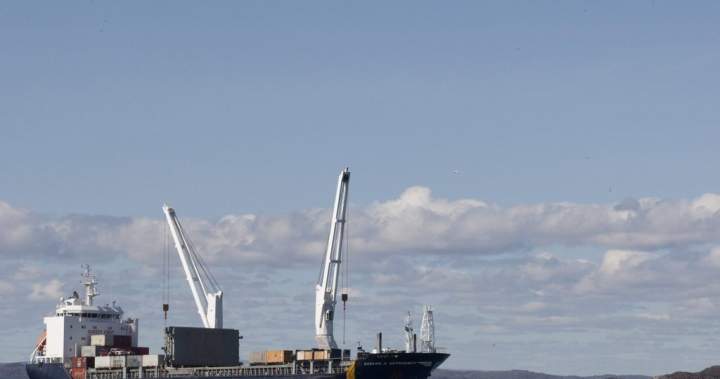
The students were aboard two cargo vessels: the N/M Rosaire A. Desgagnés and N/M Miena Desgagnés. Both ships remained stuck in the region as security conditions deteriorated. The company eventually launched a repatriation plan when it became clear the situation wouldn’t improve quickly.
The Strait of Hormuz became the bottleneck. It’s the only way out of the Persian Gulf by sea. Recent weeks have seen missile strikes, drone attacks, and naval confrontations involving Iran, the United States, and Israel. Commercial shipping has faced serious disruptions as a result.
Maritime industry groups now classify the strait as high-risk. Ships passing through face threats that range from direct attacks to navigation hazards. The narrow passage has become a flashpoint in regional tensions.
Getting the students out required coordination across multiple countries. Desgagnés worked with maritime agents and Saudi authorities to fly the trainees from Saudi Arabia to Europe. From there, they continued their journey back to Canada.
The Institut maritime du Québec provided support throughout the ordeal. Families received updates and the students had access to psychosocial services. Being stranded in a conflict zone isn’t part of any training curriculum.
These weren’t tourists caught in the wrong place. The students were completing required sea training for their college diploma in navigation. They also need the experience for a deck officer’s certificate from Transport Canada. It’s hands-on work that can’t be done in a classroom.
Desgagnés thanked the ship crews who looked after the trainees during the extended period at sea. The company also recognized the local agents and Saudi officials who helped arrange the complex evacuation.
The Persian Gulf situation highlights risks that Canadian maritime workers sometimes face. Shipping routes don’t always pass through calm waters. Global trade depends on vessels moving through politically sensitive regions.
Canada’s maritime industry trains officers for international work. Students learn navigation, safety protocols, and emergency procedures. But geopolitical conflict adds variables that no textbook covers completely.
The Strait of Hormuz carries roughly a fifth of the world’s oil supply. That economic importance makes it strategically vital. It also means tensions in the region can escalate quickly and affect civilian shipping.
For the three students, the experience likely provided lessons they didn’t expect. Professional mariners need technical skills, but they also need judgment about when conditions become too dangerous. That’s knowledge gained through experience, not just study.
The families of these students spent weeks waiting for news. Modern communication helps, but knowing your child is stuck in a conflict zone creates anxiety no video call fully resolves. The psychosocial support the institute provided addressed real needs.
Desgagnés operates a fleet that includes Arctic tankers and cargo vessels. The company’s ships travel globally, including regions with complex security situations. Managing crew safety in these environments requires planning and local partnerships.
The repatriation involved moving the students through Saudi Arabia. That required permissions, logistics, and coordination with Canadian authorities. It’s not as simple as booking a flight home.
Maritime training programs prepare students for careers on international vessels. Canada has a shortage of qualified marine officers. Programs like the one at Institut maritime du Québec help fill that gap. But incidents like this raise questions about how training institutions assess risks.
The students are home now. They’ll finish their programs and likely return to sea. The Persian Gulf experience becomes part of their professional story. Some lessons cost more than tuition.
Desgagnés hasn’t indicated when its vessels will leave the region. Commercial shipping companies face difficult choices when security situations change. Cargo contracts, crew safety, and financial pressures all factor into decisions.
The broader conflict shows no signs of quick resolution. Shipping companies, insurers, and governments continue monitoring the situation. Each vessel transiting the strait makes its own risk calculation.
For three Quebec families, the immediate crisis has passed. Their students are safely back in Canada. The relief is real, even if the larger geopolitical tensions remain.
This incident won’t make headlines for long. But it’s a reminder that Canadians work in risky places around the world. Maritime careers involve more than technical competence. They require resilience when things don’t go as planned.
The students will return to classes. Their instructors will debrief them. And somewhere in the Persian Gulf, commercial vessels continue navigating one of the world’s most contested waterways.