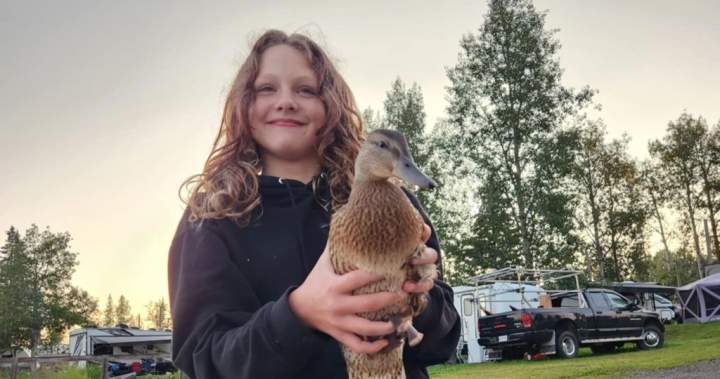
A twelve-year-old girl is back in surgery today, facing her fourth operation since surviving one of the worst school shootings in British Columbia’s history. Maya Gebala, who was shot three times during the February 10 attack at Tumbler Ridge Secondary School, is undergoing a procedure to repair her fractured skull with a prosthetic piece where the bullet struck.
Her mother, Cia Edmonds, shared the update through social media, describing weeks of exhausting medical challenges. The girl still can’t speak or move the right side of her body. But she can move her left hand and leg, and she looks at her mother with her uninjured eye—small victories that carry enormous weight for a family living through unimaginable trauma.
The shooting claimed six lives that day: five students and a teacher’s aide. Maya survived, but her recovery has been anything but straightforward. Edmonds described the journey as a “roller-coaster of setbacks, infections and surgeries,” though she believes her daughter is finally back on track. There’s worry now about a possible new infection, but Edmonds remains certain that Maya “is fighting” to heal.
Tumbler Ridge is a small northeastern B.C. community of roughly 2,000 people, tucked into the foothills near the Alberta border. It’s a town built on resource extraction—coal mining and forestry—where everyone knows everyone. The kind of place where a school shooting doesn’t just devastate families. It fractures an entire town’s sense of safety.
The attack happened during a regular school day. Students were in class when the shooter entered the building. Investigators have not publicly identified a motive, and many details remain under wraps as the RCMP continues its investigation. What’s known is that the violence ended quickly, but the aftermath has stretched on for weeks, reshaping lives in ways that can’t be undone.
Maya’s medical team has operated on her four times now. The first surgeries addressed immediate life-threatening injuries. This latest one focuses on reconstructing her skull, a complex procedure that involves fitting a custom prosthetic piece where bone was destroyed. Neurosurgeons often use materials like titanium mesh or medical-grade plastic for these repairs. The goal is not just cosmetic. It’s about protecting the brain and allowing normal function to return where possible.
Recovery from traumatic brain injury is unpredictable. Some patients regain most of their abilities over time. Others face permanent changes in speech, movement, or cognition. Maya’s inability to speak or move her right side suggests significant neurological damage, but her progress with her left hand and leg offers a glimmer of hope. Neuroplasticity—the brain’s ability to rewire itself—can sometimes compensate for injured areas, especially in younger patients.
Edmonds hasn’t sugarcoated the struggle. She’s been open about the infections that have complicated Maya’s healing. Post-surgical infections are a serious risk after traumatic injuries, particularly when hardware or prosthetics are involved. Each infection can delay recovery and increase the chance of long-term complications. The worry about another infection now, just as Maya seemed to be stabilizing, reflects the fragile nature of her condition.
Beyond the medical battle, there’s the emotional toll. Maya is old enough to understand what happened to her, even if she can’t yet speak about it. She lost classmates and a trusted adult in a place that should have been safe. The psychological scars will take years to process, assuming she has access to the kind of trauma-informed care that rural communities often struggle to provide.
Tumbler Ridge itself is grappling with collective grief. Schools across the province held moments of silence after the shooting. Flags were lowered. Counsellors were dispatched. But the day-to-day reality of healing in a small town is different from the headlines. Parents are nervous dropping kids off at school. Teachers are managing their own trauma while supporting students. The community has rallied, but there’s only so much casseroles and kind words can do when the foundation of trust has been shattered.
The debate over school safety has reignited across Canada since the attack. Some are calling for increased security measures—metal detectors, locked doors, armed officers. Others argue that schools need more mental health support and earlier intervention for at-risk youth. There’s no simple answer, and rural schools face unique challenges. They don’t have the budgets or staff that urban districts do. They rely on tight-knit relationships and local knowledge, which can be both a strength and a blind spot.
For Cia Edmonds, the political conversation is likely far from her mind right now. She’s focused on whether her daughter will ever speak again, whether she’ll walk, whether the next infection will set them back another month. The updates she shares are raw and real, written by someone living in the space between hope and heartbreak.
Maya’s story is still unfolding. Each surgery is a step, but not necessarily forward. Recovery isn’t linear. Some days bring progress. Others bring complications that wipe out weeks of gains. The prosthetic skull piece is another attempt to give Maya’s body the structure it needs to heal. Whether her brain can rebuild the connections necessary for speech and movement remains uncertain.
What’s clear is that this child has already endured more pain than most people face in a lifetime. She’s fighting, as her mother said. And in a town still reeling from loss, that fight matters. It’s a reminder that survival isn’t the end of the story. It’s just the beginning of a long, uncertain road.